 EN
EN

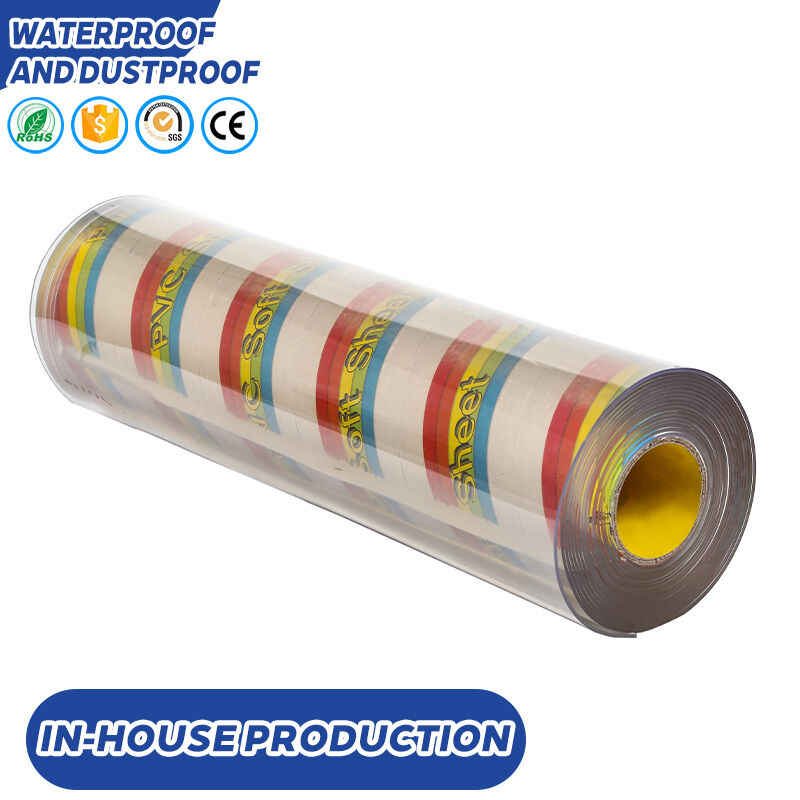
Why Clear PVC Sheets Are Ideal for Precision Craft Projects
Optical Clarity and Rigidity for Detailed Stencils, Templates, and Layered Art
PVC sheets that are clear have this amazing combination of being see through like glass but also pretty sturdy. Crafters love using them for things that need precision work such as making stencils, creating templates, or working on layered artwork projects. The fact that they're transparent really helps when lining up different layers stacked together whether its botanical designs or those fancy laser etched patterns. Plus, these sheets don't bend out of shape easily when someone is cutting them, tracing lines, or just handling them over time. Regular old acetate or paper just can't hold up to this kind of treatment. Clear PVC stays put even when pressure is applied which matters a lot for detailed tasks like calligraphy stencils or building scale models of buildings. Most folks find the 1/8 inch thickness works best because it's tough enough to last but still easy to handle, giving clean straight cuts without needing any special equipment.
Chemical and UV Resistance: Performance Advantages Over Acrylic and PETG in Outdoor & Functional Crafts
When put to the test in tough outdoor conditions, clear PVC really stands out compared to acrylic and PETG thanks to how well it handles UV light, chemicals, and stays dry even when wet. Most PVC products come with those UV stabilizers already built in, so they won't turn yellow or get brittle after sitting in the sun for years like regular acrylic tends to do. This material can take a beating from acids, bases, oils, and damp environments without swelling up or getting cloudy, which makes it great choice for things like garden signs, table covers, or any display that gets exposed to the weather. The temperature range goes all the way from -40 degrees Fahrenheit up to 160 degrees, meaning it works reliably through both winter freezes and summer heat waves when other materials start to warp or crack. And let's talk about price for a moment. Clear PVC sheets cost around 30 to 50 percent less per square foot than their acrylic or PETG counterparts, yet still offer similar transparency plus better impact resistance. For anyone working on projects that need to last a long time under stress, this combination of durability and affordability makes clear PVC an excellent investment.
5 High-Value DIY Projects Using Clear PVC Sheets
Transparent Stencils and Multi-Layer Art Templates
Clear rigid PVC sheets make great stencils that last for ages and can be used over and over again without losing their crisp edges even after many painting sessions. Paper and thin acetate just don't hold up compared to these materials since they tend to bend or stretch when being worked on, which messes up the alignment between different layers. What makes them really useful is how transparent they are, so artists can see exactly where everything lines up while working on complicated designs like detailed plant drawings or multi-layered engraved patterns.
LED-Backlit Photo Frames with Edge-Lit Clarity
Clear PVC panels let through around 92% of visible light, making them great at spreading out edge mounted LED lighting so there aren't any bright spots or dark areas. When these panels get framed up, they create a protective layer over photos that resists scratches and won't shatter like glass does. Handling is much safer too since they don't break into sharp pieces. What makes this material stand out is how it spreads light evenly across surfaces. This helps bring out more detail in images while maintaining good contrast levels. Best part? No need to spend extra money on special diffusing films or complicated optical components to achieve this effect.
Weatherproof Garden Labels and Custom Outdoor Signage
Leveraging inherent UV stabilization and hydrolysis resistance, cold-cut PVC labels retain vinyl lettering and crisp detail for years—even in full-sun, high-moisture environments. Their thermal resilience and non-porous structure prevent fading, cracking, or delamination under freeze-thaw cycles or prolonged rain exposure—outlasting wood, laminated cardstock, and many acrylic alternatives.
Safe Fabrication Techniques for Clear PVC Sheets
Cold-Cutting Best Practices and Thermal Management to Prevent Warping or Hazing
Getting clean cuts without clouding up the material starts with good old fashioned cold cutting techniques. When working with thin sheets less than 5mm thick, run a sharp utility knife firmly along a straight edge guide, then bend the sheet until it snaps right off the workbench. Thicker materials need special attention though. A fine toothed saw blade with at least 80 teeth per inch works best when cutting these, but remember to go slow and steady so we don't generate too much heat. Always clamp down securely onto something flat and stable during this process. Keep an eye on those blade temps too they should stay under about 60 degrees Celsius otherwise we risk getting those annoying heat marks. Once the cut is done, smooth out any rough edges with gentle strokes using a 120 grit silicon carbide sanding block. Don't press too hard or we'll just create more heat problems. And for really complex shapes where precision matters most? Water jet cutting remains king for maintaining both temperature control and perfect edge quality across the board.
Solvent Bonding vs. Mechanical Fastening: Ensuring Structural Integrity Without Clouding
For most crafts using clear PVC, mechanical fasteners beat solvent bonding hands down. Sure, solvent welding gives those nice seamless joins, but there's a catch. Plasticizers tend to migrate from nearby areas and create cloudy spots within 6 to 12 months, which really messes with how transparent and attractive the final piece looks. Better alternatives include rivets, stainless steel bolts, or those UV resistant silicone gaskets that keep everything looking clean without any haze. When absolutely stuck with solvent bonding, go for capillary applied stuff with low VOCs and apply it sparingly while making sure the area is well ventilated. Too much solvent just creates permanent haze as anyone who's tried knows. Adding pressure distribution plates makes a big difference too, preventing cracks when tightening things down. Real world tests show mechanical joints can handle about double the impact compared to glued ones, so they're just plain safer and more dependable whether building displays or actual functional items.
Critical Long-Term Considerations for Clear PVC Sheets in Craft Applications
Plasticizer Migration and Its Impact on Clarity, Flexibility, and Indoor Display Lifespan
When plasticizers slowly evaporate from inside the material, that's what causes most of the aging problems seen in clear PVC used for indoor crafts. According to research published in Polymer Degradation Studies back in 2023, after about 1 to 3 years, this process makes the material lose around 15 to 25% of its flexibility. The result? The PVC becomes brittle and starts developing tiny cracks. At the same time, these escaping plasticizers build up on the surface, forming a sort of invisible film that creates a hazy look. This scattered light effect really messes with how things appear, which is particularly bad news for anyone working on display pieces that need to catch the eye or multi-layered art projects where clarity matters. Keep in mind that warmer environments above 25 degrees Celsius speed things up considerably too, cutting down on how long these materials stay useful by roughly 40% when compared with better options like cast acrylic that handle UV exposure much better.
For longer lasting results, go with materials that have lower plasticizer content, ideally below 18% phthalates. Applying an acrylic coating with UV protection helps stop those harmful chemicals from migrating out over time. And when it comes to storage, keep finished items somewhere with stable temperature and humidity levels around 22 degrees Celsius max and no more than 45% relative humidity. Take premium quality clear PVC as an example it maintains about 90% of its original transparency after sitting in proper archival conditions for five whole years. Compare that to regular economy grade options which only hold onto roughly 60% of their clarity during the same period. This kind of difference shows why making smart choices about materials really matters if we want our work to stand the test of time and maintain that professional finish.
Frequently Asked Questions (FAQ)
Why is clear PVC preferred over acetate or paper for craft projects?
Clear PVC is preferred for craft projects due to its durability, rigidity, and optical clarity which help in precision tasks like stencil making and layered art.
How does clear PVC compare with acrylic and PETG in outdoor applications?
Clear PVC outperforms acrylic and PETG in outdoor applications due to its superior UV resistance, chemical stability, and lower cost.
What fabrication techniques are best for maintaining the clarity of clear PVC sheets?
Cold-cutting and water jet cutting are recommended for clear PVC sheets to prevent warping or clouding caused by excessive heat.
How can plasticizer migration affect indoor PVC displays?
Plasticizer migration can lead to reduced flexibility and clarity, causing haze and brittleness over time, particularly in warmer environments.