 EN
EN

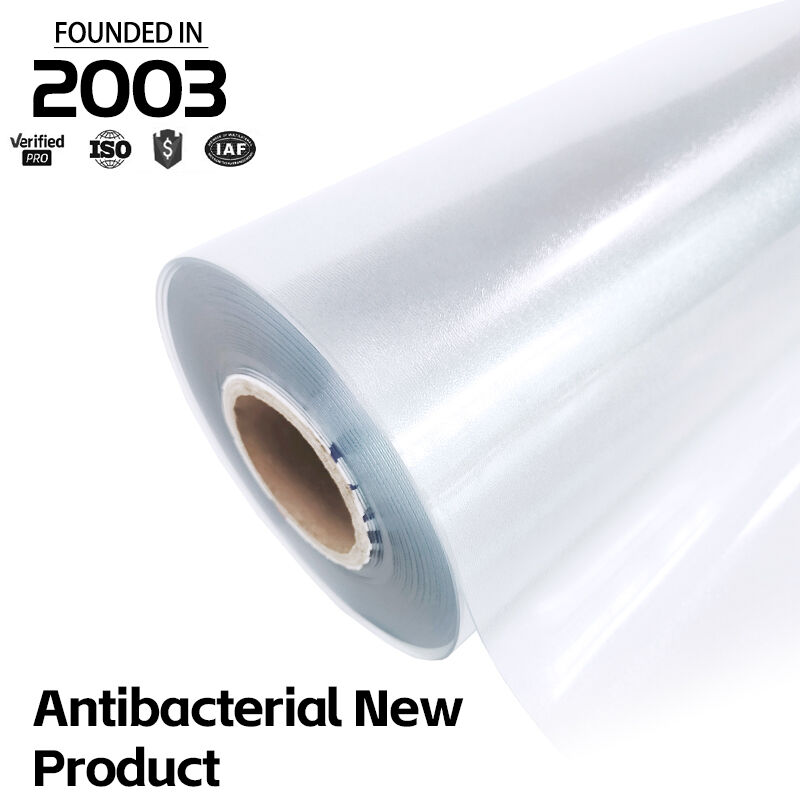
Optical Performance: Clarity, Light Transmission, and UV Stability of Clear PVC Sheets
Light transmission and yellowness index compared to acrylic, polycarbonate, and PETG
When it comes to seeing through things in industrial settings, clear PVC sheets perform pretty well optically. They let about 85 to 90 percent of light pass through them. That puts them right around where PETG stands at 90 percent and close to polycarbonate which ranges from 88 to 90 percent. Acrylic still beats them all with its impressive 92 percent transmission rate though. Regular clear PVC does tend to show some yellowing over time compared to acrylic, but manufacturers have come up with UV stabilized versions that fix this problem nicely. So when picking materials, companies need to think about what matters most for their application. PVC hits the sweet spot between being tough enough to withstand impacts and costing less money while still maintaining good visibility for whatever function it's needed for.
| Material | Light Transmission (%) | UV Resistance (Outdoor Stability) |
|---|---|---|
| Clear PVC | 85–90 | Moderate (requires stabilization) |
| Acrylic | 92 | Low (prone to crazing) |
| Polycarbonate | 88–90 | High (inherent stability) |
| PETG | 90 | Moderate |
Long-term UV resistance and haze development in outdoor applications
Clear PVC sheets that contain advanced UV stabilizers keep haze levels under 10% even after sitting outside for five whole years. This beats unstabilized acrylic hands down since those tend to show surface cracks and get cloudy really fast. The premium versions of stabilized PVC can hold off yellowing three times longer than regular PVC, while the rate at which they develop haze is about 40% slower compared to acrylic when exposed to similar weather conditions. While polycarbonate does have better natural UV protection, PVC still offers a good mix of qualities that make it work well for things like protective barriers, greenhouses, and signs. These applications often need just enough UV resistance, plus good dimensional stability without breaking the bank.
Mechanical Behavior: Impact Resistance, Flexibility, and Fabrication Advantages of Clear PVC Sheets
Impact performance under ASTM D256/ISO 180 – how clear PVC sheets compare to rigid alternatives
According to ASTM D256 and ISO 180 tests, clear PVC sheets show around tenfold better notched Izod impact resistance compared to acrylic materials. Instead of shattering like glass, these sheets actually absorb energy through small deformations that spread out the force. Polycarbonate still holds the crown when it comes to impact strength, being roughly 250 times tougher than regular glass. But in many industrial situations involving everyday bumps and knocks, PVC actually performs better than both PETG and acrylic materials. That makes it a solid choice for things like protective enclosures, machine covers, and parts used in material handling systems where workers might accidentally bump into them during normal operations, but nothing too severe happens most of the time.
Cold flexibility and bendability: Enabling cost-effective thermoforming and field installation
Clear PVC sheets stay flexible even when temps drop to around -10 degrees Celsius without needing any kind of preheating treatment. Acrylic tends to get really brittle in cold conditions while PETG has issues maintaining shape stability during forming processes. What this means practically is that workers can bend and shape curves plus create custom profiles right there on site using regular woodshop equipment instead of going through extra steps like welding or gluing parts together later. When making changes out in the field, things go much quicker and with better precision too. Fabrication times actually cut down somewhere between 30 to 40 percent compared to working with polycarbonate materials. The fact that PVC works well at normal room temperatures yet still holds its shape after being formed makes it particularly good choice for quick prototypes, retrofits where existing structures need updating, and all sorts of projects where budget constraints matter but complex shapes are still required.
Durability Profile: Thermal Limits, Chemical Resistance, and Environmental Suitability of Clear PVC Sheets
Heat deflection temperature (HDT), glass transition (Tg), and dimensional stability up to 60°C
The heat deflection temperature for clear PVC sheets sits around 60 degrees Celsius when loaded, while their glass transition occurs between roughly 80 and 85 degrees. When temperatures climb above this 60 degree mark, prolonged exposure can cause warping issues and compromise structural strength. Below this point though, these materials hold up really well dimensionally, showing very little creep or shrinkage over time. Looking at how PVC compares to other common plastics, it has a more limited thermal range compared to options like acrylic, PETG, or polycarbonate. Still, this makes PVC quite suitable for many standard industrial settings where temperatures stay relatively stable. We see them used frequently in things like office partitions inside factories, protective enclosures in laboratories, and even safety barriers along food processing lines where extreme heat isn't typically encountered.
| Material | HDT (°C) | Max Service Temp (°C) |
|---|---|---|
| Clear PVC Sheets | 60 | 60 (sustained) |
| Acrylic | 80–100 | 80 |
| PETG | 70 | 70 |
| Polycarbonate | 130–140 | 130 |
Resistance to acids, alkalis, and food-grade/industrial solvents – validated for medical and processing environments
Clear PVC sheets have been tested according to ASTM D543 standards and show impressive resistance against a wide range of chemicals, which makes them ideal for tough industrial settings and places with strict regulations. These materials can handle extended exposure to things like dilute hydrochloric and sulfuric acids, sodium hydroxide solutions, common chlorine disinfectants, various alcohols, and even those special sanitizers required by the FDA for food processing. While acrylic tends to break down when it meets ketones and polycarbonate gets damaged by hydrocarbons and strong alkalis, PVC keeps its shape and function after many rounds of sterilization. That kind of stability matters a lot in places such as pharmaceutical laboratories, municipal water treatment facilities, and food manufacturing plants under FDA oversight, where what materials come into contact with products isn't just about convenience but actually affects worker safety, regulatory requirements, and whether operations keep running smoothly day after day.
Total Cost-of-Ownership and Industry-Specific Value of Clear PVC Sheets
When looking at all factors together procurement, fabrication, installation, plus ongoing maintenance clear PVC sheets tend to offer the best value over time compared to other transparent thermoplastics on the market. The base material itself costs around 40 to 50 percent less than alternatives like acrylic, polycarbonate, or PETG. Plus, because these sheets can be shaped when cold, there's significantly less waste during machining processes and no need for expensive heating equipment either. For most applications, UV stabilized versions will stay clear and strong for about ten years without turning yellow or getting brittle, which means no extra coatings needed. They also stand up better against chemicals, so replacements happen less often in tough environments. These characteristics make them particularly attractive across several industries where long term performance matters more than initial purchase price alone.
- Food Processing: Permanent FDA compliance avoids requalification expenses, and inherent antimicrobial properties reduce sanitation downtime.
- Medical Equipment: High dielectric strength allows thinner, lighter shielding partitions–cutting assembly weight and logistics costs by up to 30%.
- Retail Display: On-site cold bending eliminates subcontractor fees for complex geometries and accelerates installation timelines.
When looking at lifecycle assessments, it's really important not to forget those hidden costs that come with other materials. Take polycarbonate for instance, which needs those scratch resistant coatings just to be usable at all. And then there's acrylic, which tends to break so much during shipping and handling that it adds up fast. Now when we're talking about projects where chemical resistance matters, how quickly something can be fabricated, and maintaining good optical clarity are more important than dealing with super high temperatures or heavy impacts, clear PVC sheets actually make sense both from an operational standpoint and economically speaking. They tend to work out better in these situations without breaking the bank.
FAQ
-
Are clear PVC sheets UV resistant?
While regular clear PVC sheets may show some yellowing over time, UV stabilized versions are available that enhance UV resistance and prevent yellowing.
-
How do clear PVC sheets compare to acrylic in terms of impact resistance?
Clear PVC sheets exhibit tenfold better notched Izod impact resistance compared to acrylic materials, absorbing energy through small deformations rather than shattering like glass.
-
Do clear PVC sheets withstand cold temperatures?
Yes, clear PVC sheets remain flexible even in temperatures as low as -10 degrees Celsius, unlike acrylic which becomes brittle in cold conditions.
-
Are clear PVC sheets chemically resistant?
Yes, clear PVC sheets show impressive resistance against a wide range of chemicals, making them ideal for industrial settings and environments with strict regulations.
Table of Contents
- Optical Performance: Clarity, Light Transmission, and UV Stability of Clear PVC Sheets
- Mechanical Behavior: Impact Resistance, Flexibility, and Fabrication Advantages of Clear PVC Sheets
- Durability Profile: Thermal Limits, Chemical Resistance, and Environmental Suitability of Clear PVC Sheets
- Total Cost-of-Ownership and Industry-Specific Value of Clear PVC Sheets