 EN
EN

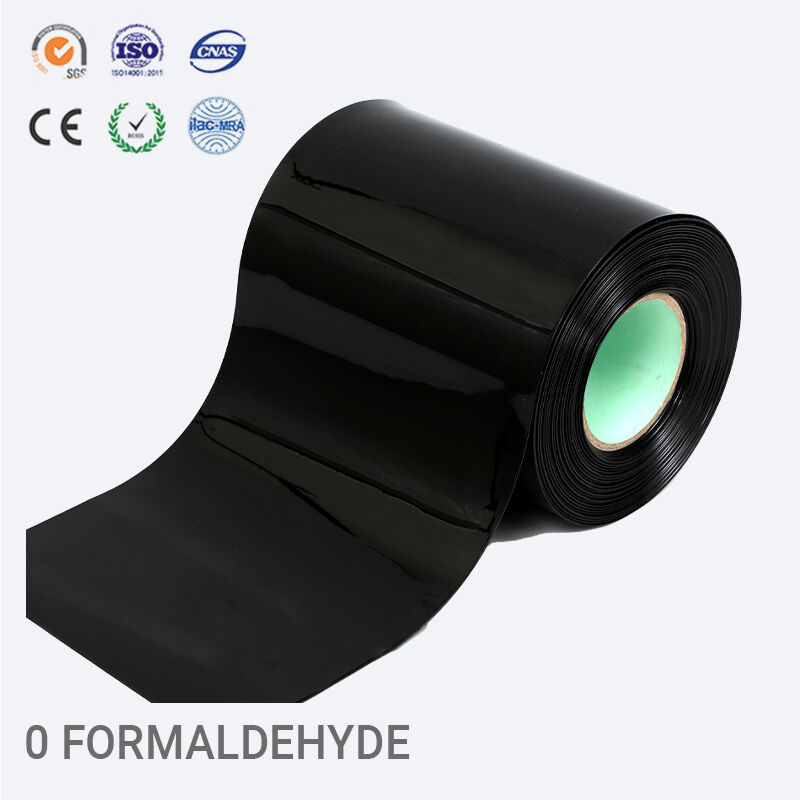
How Welding Curtains Block UV and IR Radiation
The Physics of Arc Radiation: Why UV and IR Demand Immediate Shielding
The welding arc puts out some seriously strong UV and IR radiation that we can't even see but which can cause serious injuries in just a few seconds flat. Exposure to UV light leads to something called photokeratitis, commonly known as welder's flash, and raises the chances of developing skin cancer over time. Meanwhile, the infrared component actually carries heat energy that burns skin and harms the eye's retina. According to OSHA regulation 1910.252, safety measures must completely block all UV radiation under 315 nm since this particular wavelength range is where most biological damage occurs. These rays sneak through unprotected eyes and skin without any warning signs whatsoever. What makes UV and IR so dangerous compared to regular light? They need actual physical barriers to stop them dead in their tracks instead of relying on simple things like standing back further or limiting exposure time alone. This is why proper protective equipment remains absolutely essential for anyone working with welding operations.
UV-Absorbing Mechanisms in Flame-Retardant Vinyl – The Core of Reliable Welding Curtain Performance
Premium welding curtains rely on flame-retardant vinyl infused with proprietary UV-absorbing additives. These compounds convert incident UV and near-IR energy into harmless heat through photochemical dissipation—blocking nearly 99.9% of UV across 200–380 nm and significantly attenuating IR. Three material properties determine real-world effectiveness:
- Additive dispersion: Uniform distribution prevents micro-leakage points where radiation bypasses protection
- Material density: Vinyl thickness over 0.8 mm substantially improves IR absorption and structural integrity
- Flame resistance: Self-extinguishing behavior under ignition meets NFPA 701, ensuring curtains don't propagate fire during spatter events
Unlike basic polyethylene, high-performance vinyl retains shielding integrity beyond 50+ kWh/m² of cumulative arc exposure—critical for high-volume fabrication shops where curtains remain in continuous service.
Selecting the Right Welding Curtain Material for Safety and Compliance
PVC vs. Polyethylene vs. Composite Weave: UV Attenuation, Durability, and Flame Resistance Compared
The choice of materials really determines how well something protects against radiation, lasts over time, and meets all those regulations. Take polyvinyl chloride or PVC for instance. This stuff blocks almost all UV and IR radiation, somewhere around 99% or better, and naturally resists flames too, meeting that high standard ASTM E84 Class A rating for surface burning. What makes PVC so good? Its stable molecules hold up great in places where arcs happen often. But there's a catch. Compared to polyethylene, PVC doesn't handle solvents and chlorine-based cleaners so well. It tends to break down faster when exposed to these chemicals.
Polyethylene (PE) excels in impact resistance and chemical resilience, yet requires UV-stabilizing additives to reach comparable radiation blocking. Over time, these additives can migrate or degrade, reducing optical clarity and UV efficacy—particularly in outdoor or high-heat settings.
Composite weaves made mostly from polyester fabric combined with flame retardant coatings offer a pretty good middle ground for safety applications. They handle well during installation, resist tearing effectively, and meet those ANSI Z87.1 standards for eye protection requirements when installed as curtain panels around machinery. For areas where sparks are common, PVC still stands out as the material of choice because it puts itself out after catching fire and can withstand heat better than most alternatives. The melting point is around 150 degrees Celsius compared to polyethylene's much lower threshold at about 115 degrees. When looking at different materials for these purposes, don't get caught up in what looks good on paper. Check actual test results for UV protection according to ASTM E2653 standards, along with how well they stand up to tearing forces and their performance under fire conditions. Thickness numbers alone won't tell the whole story, nor will flashy marketing promises without proper validation behind them.
Meeting Regulatory Standards: OSHA, ANSI, and ASTM Requirements for Welding Curtain Use
OSHA 1910.252 & ANSI Z49.1: What They Mandate for Welding Curtain Installation and Coverage
OSHA 1910.252 establishes the foundational requirement: welding curtains must serve as physical barriers that fully isolate arc radiation from adjacent workers and pedestrians. This includes blocking UV/IR emissions while permitting adequate ventilation—no exceptions for temporary setups or low-frequency welding tasks. ANSI Z49.1 reinforces operational safety by specifying:
- Minimum height of 6–8 feet to contain spatter and radiant energy upward
- Flame-resistant construction with verified self-extinguishing behavior
- Strategic placement to create unobstructed sightlines for supervisors and enforce clear separation between active welding zones and walkways
Together, these standards prevent retinal injury, skin burns, and secondary hazards like fire propagation. Non-compliance carries steep consequences: OSHA's 2023 penalty adjustments set fines at up to $15,625 per violation—with willful or repeated infractions subject to criminal referral.
ASTM E2653 and EN 1598: Interpreting Lab-Validated Radiation Attenuation Data
ASTM E2653 stands as the primary standard in the United States for assessing how well welding curtain materials block harmful UV and IR radiation. The test measures exactly how much light passes through different parts of the spectrum using special equipment called radiometers that have been properly calibrated, all within a controlled laboratory environment. Then there's EN 1598 which has become popular throughout Europe and many other parts of the world too. This European standard takes things further than ASTM does by including additional tests for things like how strong the material is when pulled, how it holds up to repeated bending, and what happens when exposed to various chemicals. These extra tests make sure that welding curtains continue to protect workers properly even if they get stretched out during installation or accidentally come into contact with solvents while being handled.
Key metrics to validate:
- Optical Density (OD) ≥4: Confirms 99.99% radiation blockage—essential for high-amperage processes
- Degradation onset point: Identifies the exposure threshold (e.g., kWh/m²) at which UV transmission begins rising—revealing usable service life
- Spectral gap analysis: Highlights wavelengths where attenuation drops below 99%, exposing potential blind spots in protection
Reputable manufacturers provide full third-party test reports—not just pass/fail summaries—to demonstrate compliance with both ASTM E2653 and EN 1598. Always request these documents before procurement.
Balancing Visibility and Protection: Weld View Windows in Modern Welding Curtains
Polycarbonate Lens Integration: UV Blocking, Clarity, and Impact Safety in Welding Curtain Design
Welding curtains these days are starting to come with polycarbonate view windows built right in from the factory instead of just tacked on later. Standard materials like vinyl or acrylic just don't cut it when it comes to blocking harmful UV rays. Polycarbonate actually soaks up nearly all those dangerous wavelengths between 200 and 400 nanometers at the molecular level, which means no UV gets through while still letting people see clearly what they're doing. The material also lets through over ninety two percent of visible light, making it possible for welders to watch their work progress in real time. They can check how the metal is melting together and make sure everything lines up properly without having to take off their protective gear or move around constantly. This saves time and helps maintain consistent quality throughout the job.
Polycarbonate offers something no other material can match when it comes to impact resistance. We're talking about roughly 250 times stronger than acrylic and way beyond what glass can handle. This makes it stand up well to all sorts of workplace hazards like flying debris, dropped equipment, and those inevitable accidental bumps during installation. What's really important is how stable these materials stay even when exposed to heat. They won't warp or peel at edges near hot surfaces since they maintain their shape up to around 150 degrees Celsius. The special gaskets that come built-in keep everything sealed properly without letting heat affect performance. And manufacturers apply scratch resistant coatings right from the factory so the material stays clear through thousands of uses, even in places where there's lots of dust and flying particles. All these features together meet what OSHA requires for safety standards regarding both protection from harmful radiation and maintaining good visibility on job sites.
| Feature | Polycarbonate Advantage | Safety Impact |
|---|---|---|
| UV Blocking | 99.9% absorption rate | Prevents arc eye and skin carcinoma |
| Clarity | >92% light transmission | Enables real-time process monitoring |
| Impact Strength | 250x stronger than acrylic | Resists fragmentation upon impact |
| Thermal Stability | Maintains integrity at 150°C+ | Eliminates warping near heat sources |
FAQ Section
What is the primary function of welding curtains?
Welding curtains are designed to block harmful UV and IR radiation emitted during welding operations, protecting operators and adjacent personnel from injuries such as photokeratitis and skin burns.
How do flame-retardant additives work in welding curtains?
These additives convert incident UV and IR energy into harmless heat through photochemical dissipation, ensuring high levels of radiation blockage and enhancing fire resistance.
Why is polycarbonate preferred for viewing windows in welding curtains?
Polycarbonate is preferred because it blocks UV radiation effectively, offers high clarity for process monitoring, and is extremely impact-resistant, making it safer and durable in a work environment.