 EN
EN

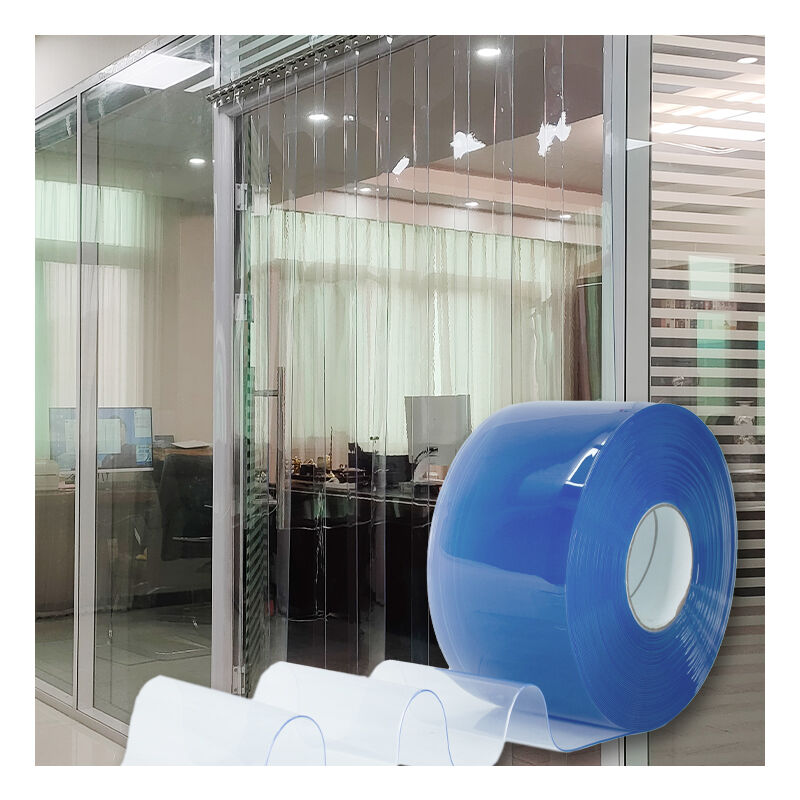
The Science Behind PVC Curtain Temperature Regulation
Physical Barrier Function: Minimizing Air Exchange and Heat Transfer
PVC curtains form an effective air barrier using overlapping strips that snap back into place after someone or something goes through them. The way these curtains work is pretty smart from a physics standpoint they let people and equipment move freely but stop most of the warm air from getting in or cold air escaping. Refrigerated storage areas often lose around 30% of their cooling power when doors are left open, but good quality PVC strip curtains help maintain those temperature differences by keeping outside air out. As forklifts drive through or workers walk past, the flexible plastic strips part ways briefly then close again behind them. This means only about 15% of air actually exchanges between spaces compared to what happens with completely open doorways, so the temperature stays much more stable inside the cold room.
Thermal Performance Metrics: U-Value, Air Infiltration, and Insulation Efficiency
Three quantifiable metrics govern PVC curtains’ thermal regulation effectiveness:
- U-value measures heat transfer rate (lower values indicate superior insulation)
- Air infiltration rate calculates cubic feet per minute (CFM) of air leakage
- Insulation efficiency compares energy retention against unsealed openings
Most standard PVC materials have U-values ranging between 1.2 and 1.8 W per square meter Kelvin. For colder climates, there are special versions designed to work down to minus 40 degrees Celsius. These incorporate special plasticizers that keep them flexible even when frozen, so the seals stay intact in harsh winter conditions. Testing done in labs showed something interesting: polar grade PVC curtain doors let in 72 percent less air compared to regular doorway setups. This means compressors don't need to run as often, cutting back on HVAC system usage significantly. What makes these systems reliable over time is their overlapping strip design. Even with constant opening and closing throughout the day, they maintain good sealing properties. Industry tests found insulation efficiencies hovering around 85 to 92 percent in various factory settings, making them a solid choice for facilities dealing with extreme temperature fluctuations.
Energy Savings and ROI of PVC Curtain Installations
PVC curtains directly translate temperature containment into measurable energy savings for climate-controlled facilities.
Measured Energy Reduction in Cold Storage and Refrigerated Facilities
Industrial operators have noticed anywhere from 30 to 40 percent less energy used for heating, ventilation and air conditioning systems once they install those thick PVC curtains in areas where people move around a lot. For cold storage facilities specifically, these savings happen because the curtains stop warm air from getting inside when trucks load and unload goods at the docks. Just think about it one open door lets out about 1.2 tons of chilled air every single hour. When compressors run less often and defrosting happens less frequently, the whole refrigeration system lasts longer too. Manufacturers say their field tests show these systems can last around 15% longer with proper curtain installation.
Typical Payback Period and Lifecycle Cost Benefits for Industrial PVC Curtain Use
Most operations achieve full ROI within 6–12 months through lower utility bills. With typical curtains lasting 5–10 years in industrial settings, facilities save over $5 per square foot annually. Additional lifecycle benefits include reduced maintenance versus mechanical doors and minimized product spoilage from temperature fluctuations.
Specialized PVC Curtain Solutions for Extreme Temperatures
Polar PVC Curtain Design: Flexibility, Clarity, and Seal Integrity Below -20°C
Standard PVC curtains become brittle and crack in sub-zero environments, leading to air leaks and energy waste. Polar PVC curtains solve this through specialized formulations that maintain flexibility down to -25°C. Key performance differentiators include:
- Cold-Adapted Flexibility: Proprietary plasticizers prevent brittleness, allowing curtains to remain pliable even during repeated forklift impacts at freezing temperatures.
- Optical Clarity: Anti-fog additives ensure visibility in high-humidity cold storage areas, reducing collision risks.
- Seal Integrity: Overlapping strips with weighted bottoms create airtight seals, minimizing temperature exchange between zones.
In freezer warehouses operating below -20°C, these curtains reduce temperature fluctuations by 12°C compared to standard PVC alternatives. This stability prevents ice formation on doorways and cuts defrost cycles by 30%, directly lowering energy costs in refrigerated facilities.
Secondary HVAC Benefits Enabled by PVC Curtain Deployment
PVC curtains do more than just regulate temperatures. They actually give quite a few extra perks to heating, ventilation, and air conditioning systems too. When installed properly at doorway gaps, these curtains can cut down how long HVAC systems need to run by about 30%, based on those facility energy reports we've seen around town. That means less wear and tear on equipment plus savings on repair bills over time. Another big plus? These barriers help keep humidity steady inside buildings. Food processors and pharmaceutical companies really appreciate this because controlling moisture stops condensation from forming on surfaces and keeps products from going bad. Plus, the PVC material itself acts as a sound barrier, cutting down noise levels by roughly 15 to 20 decibels in areas close to machines. Workers report being able to concentrate better when there's less constant machine noise. What's interesting is that despite all these benefits, the curtains remain transparent so people can still see what's happening across rooms. At the same time, they block out dust particles and unwanted critters from getting in, which improves overall air quality inside without making spaces feel closed off or darkening them since natural light still comes through fine.
FAQ
What are the main benefits of PVC curtains in industrial settings?
PVC curtains minimize air exchange and heat transfer, leading to stable temperatures and reduced energy costs. They also provide additional benefits such as noise reduction, humidity control, and improved air quality.
How do PVC curtains improve energy efficiency?
PVC curtains reduce the amount of air infiltration and heat transfer at doorways, which decreases the energy needed for HVAC systems. This directly translates into energy savings and reduces the operational costs of climate-controlled facilities.
What is the typical payback period for PVC curtain installations?
Most operations achieve full ROI within 6 to 12 months through lower utility bills, with additional lifecycle benefits including reduced maintenance needs and extended equipment longevity.
How do polar PVC curtains work in extreme temperatures?
Polar PVC curtains use specialized formulations to remain flexible and maintain seal integrity in temperatures as low as -25°C, providing effective insulation and energy cost savings in extreme cold environments.