 EN
EN

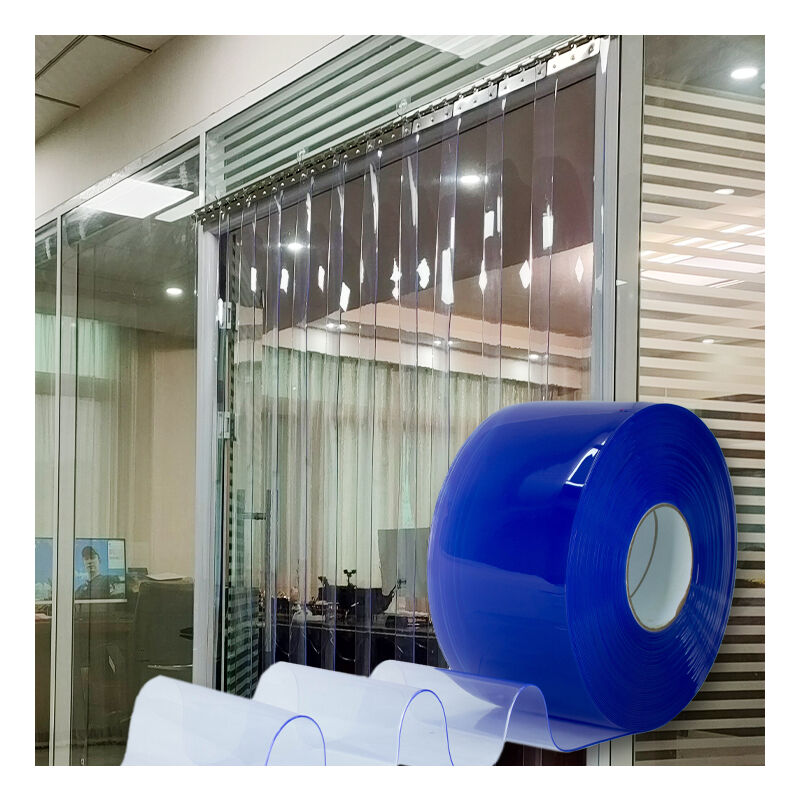
Why PVC Roll for Curtain Thickness Matters: Performance, Longevity, and Function
Gauge vs. Thickness: Clarifying Vinyl Measurement Standards
Mixing up gauge numbers (like 30 to 80) with millimeter measurements tends to create problems when choosing the right PVC rolls for curtains. The gauge system is basically outdated and doesn't actually translate consistently to real thickness measurements, so it just isn't reliable enough for situations where performance matters most. Most industries have moved toward using millimeters instead because they offer much better accuracy. One millimeter equals roughly 0.039 inches, and this measurement directly affects how strong and flexible the material will be. Plus, safety regulations such as UL 94 flammability tests require specific thickness verification to determine proper ratings. That's why many manufacturers now specify everything in millimeters rather than relying on confusing gauge references.
The Thickness Triad: Balancing Durability, Flexibility, and Thermal/Noise Insulation
PVC curtain thickness governs a fundamental trade-off among three interdependent performance attributes. Thicker strips (≥2 mm) extend service life but reduce pliability; thinner options (1–2 mm) improve passage flow yet sacrifice resilience and insulation. Key thresholds:
- Durability: 3 mm+ strips resist forklift impacts twice as long as 1 mm alternatives.
- Thermal Efficiency: Each additional millimeter reduces temperature transfer by 15–20%—a decisive factor in cold storage and climate-controlled facilities.
-
Noise Control: 4 mm sheets dampen sound by 3–5 dB over standard 2 mm curtains.
Beyond 4 mm, diminishing returns set in: excessive rigidity increases hinge fatigue and strip misalignment, undermining seal integrity and safety.
Selecting PVC Roll for Curtain Thickness by Traffic Volume and Usage Environment
Choosing the right thickness hinges on traffic intensity and environmental demands—not just budget or availability. Mismatched specifications drive up total cost of ownership: industry data shows improper thickness selection contributes to up to 40% higher annual replacement costs due to premature tearing, warping, or energy loss.
Light-Duty Applications: CL2mm PVC Roll for Curtain in Offices and Cleanrooms
For places where people walk around a lot but there's not much traffic, such as office buildings or those special cleanrooms that follow ISO standards, CL2mm PVC curtain material strikes just the right note between different needs. The material isn't too stiff but still firm enough so doors slide open quietly when needed, yet keeps out dust particles effectively. When installed in temperature controlled areas, this stuff actually cuts down on heating and cooling costs somewhere around 15 to maybe even 20 percent, all while letting staff move about freely. Putting these curtains up isn't complicated at all, they don't need much upkeep either. Plus, since they work well with the strong cleaning chemicals used in cleanrooms, facilities can maintain their strict sanitation requirements without extra hassle.
Heavy-Duty Industrial Use: CL4mm+ PVC Roll for Curtain in Loading Docks and Forklift Zones
In areas that see heavy action like loading docks, warehouse aisles, and those busy forklift paths, going with CL4mm or thicker PVC rolls for curtains just makes sense. These thicker materials hold up against all that constant mechanical wear and tear. We've seen tear problems drop over half compared to the thinner options on the market. Plus there's another benefit nobody talks about much these days acoustic performance gets better around 30%. And let's not forget about temperature control too. Thicker PVC helps retain heat better in those partially conditioned spaces or completely open areas, which means less money spent on heating systems running overtime. Fewer unexpected breakdowns happen when facilities stick with this standard, workers spend less time fixing things, and everyone stays safer when machines and people share the same space without interference.
Critical Application-Specific Requirements for PVC Roll for Curtain Thickness
Cold Storage & Freezer Doors: CL3mm–CL4mm for Frost Resistance and Thermal Sealing
Standard PVC starts getting brittle when temps drop below -25 degrees Celsius, and it's especially likely to crack at thinner sections. The thicker CL3mm to CL4mm freezer grade vinyl contains special additives that keep it flexible even in freezing conditions. This helps prevent cracks from forming and creates a better seal against cold air. Some real world testing has shown these thicker materials cut down on frost buildup and save about 30% in energy loss compared to the thinner 2mm options. That means colder storage areas stay more consistently temperature controlled, which cuts back on how often they need to defrost, saving both time and money in the long run.
ESD-Sensitive and Acoustic Environments: How Thickness Supports Static Control and Noise Dampening
Electrostatic discharge is a serious concern across various industries including electronics assembly, semiconductor laboratories, and medical device production facilities. Static dissipative PVC materials rated CL2mm to CL3mm contain carbon based conductive networks which keep surface resistance consistently under 10^9 ohms, satisfying the standards set by ANSI/ESD S20.20. When it comes to environments where noise control matters most such as testing rooms, packaging operations, and nearby office areas, thicker 3mm to 4mm strips actually capture around 25 percent more sound energy compared to their thinner counterparts. This makes them much better at cutting down on echo effects and lowering overall background noise levels in these sensitive workspaces.
Practical Selection Framework: Matching Your Facility’s Needs to PVC Roll for Curtain Thickness
Selecting the optimal PVC roll for curtain thickness requires a deliberate alignment of three facility-specific variables:
- Traffic volume: High-frequency impact zones (e.g., ≥40 forklift passes/hour) require CL4mm+; light pedestrian use thrives with CL2mm.
- Environmental exposure: Outdoor installations demand UV-stabilized formulations; chemical-handling areas need oil- and solvent-resistant compounds.
- Specialized performance: Cold storage (<–30°C) mandates CL3mm–CL4mm for thermal integrity; ESD-critical labs require certified static-dissipative grades—not just thickness alone.
When dealing with areas subject to heavy mechanical stress, it makes sense to focus on materials that can stand up to the punishment, while keeping things flexible in spots where people move through frequently. Take mixed use buildings for instance. The smart move is to divide different sections based on how dangerous they might be. Thicker, stronger materials should go where accidents are most likely to happen. We've seen this strategy work well across various industries. It saves money because we're not wasting resources on overbuilding everywhere, and research from maintenance professionals suggests it can cut down on equipment failures by around 30% in many cases. Makes financial and safety sense all at once.
FAQ
Why is PVC curtain thickness important?
PVC curtain thickness is crucial because it affects the material's durability, flexibility, thermal efficiency, and noise control. Thicker strips offer better insulation and sound dampening, while thinner options facilitate easier passage but may compromise on durability.
How do I choose the right PVC curtain thickness?
The right thickness depends on factors such as traffic volume, environmental exposure, and specialized performance needs. For high-frequency impact zones, thicker materials like CL4mm+ are recommended, while lighter pedestrian areas can use CL2mm.
What is the impact of PVC roll thickness on energy efficiency?
Thicker PVC rolls reduce temperature transfer and improve thermal efficiency, making them suitable for cold storage and climate-controlled facilities, potentially saving up to 30% in energy loss.
Can thicker PVC curtains improve noise control?
Yes, thicker PVC curtains can dampen sound more effectively. For example, 4mm sheets can reduce noise better than standard 2mm curtains, making them ideal for environments where noise control is important.
Table of Contents
- Why PVC Roll for Curtain Thickness Matters: Performance, Longevity, and Function
- Selecting PVC Roll for Curtain Thickness by Traffic Volume and Usage Environment
- Critical Application-Specific Requirements for PVC Roll for Curtain Thickness
- Practical Selection Framework: Matching Your Facility’s Needs to PVC Roll for Curtain Thickness
- FAQ