 EN
EN

Key Durability Factors That Define PVC Curtain Lifespan
Impact Resistance and Traffic Volume Thresholds
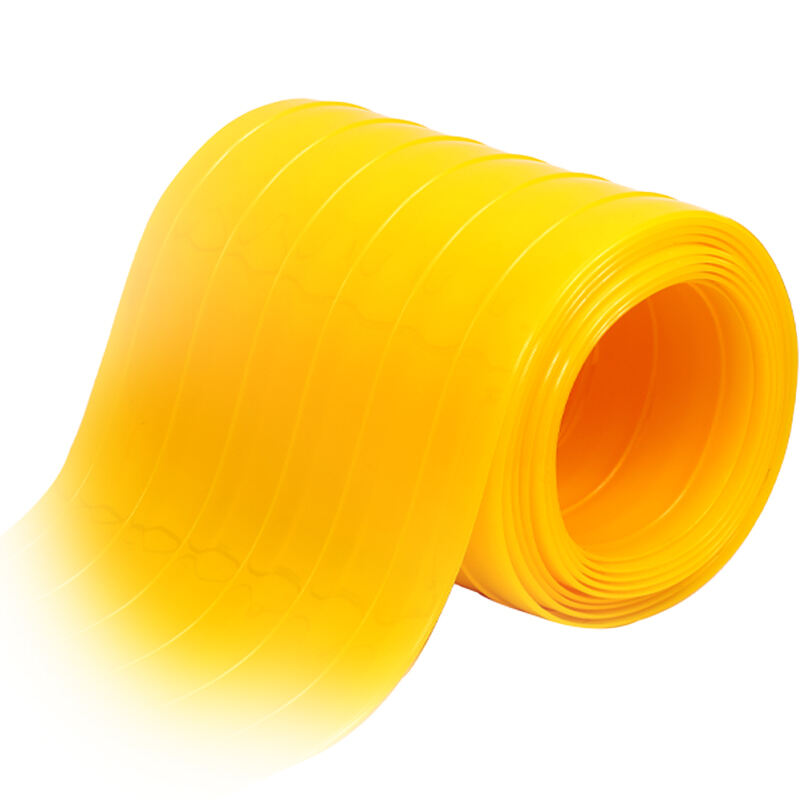
A PVC curtain’s lifespan hinges on its ability to withstand repeated impacts from forklifts, pallet jacks, and personnel. In high-traffic zones, standard-grade strips may fail within a year—while reinforced formulations endure over 100,000 impacts. Strip thickness directly determines suitability: 2mm strips support moderate traffic (50–100 passes/hour), whereas 3mm–4mm grades are essential for heavy-duty use exceeding 200 daily cycles. Thicker strips also reduce replacement frequency, minimizing operational downtime. Early signs of degradation—such as edge fraying, micro-cracking, or visible stiffening—signal declining impact resistance. Selecting the right thickness before installation, based on verified traffic volume, prevents premature failure and protects ROI.
Environmental Stressors: Temperature Extremes, Chemical Exposure, and UV Degradation
Environmental conditions profoundly influence PVC curtain performance. Below -20°C, standard PVC becomes brittle and prone to shattering; freezer-grade alternatives remain flexible down to -40°C. Conversely, sustained exposure above 60°C softens standard strips, causing sagging and compromising thermal seals. Chemical exposure—including industrial cleaners and solvents—can leach plasticizers, accelerating stiffness and cracking. UV radiation from sunlight or intense indoor lighting breaks down polymer chains over time, resulting in yellowing and surface embrittlement. Mitigation starts with specification: choose curtains with integrated UV stabilizers and chemical-resistant formulations. Clean only with pH-neutral, food-grade detergents—and avoid abrasive or acidic solutions. Proactive monitoring and timely strip replacement preserve overall curtain integrity and extend service life.
Matching PVC Curtain Specifications to Industry-Specific Demands
Cold Storage & Food Processing: Hygiene, Low-Temp Flexibility, and Antibacterial Compliance
Cold storage and food processing facilities demand PVC curtains that simultaneously meet stringent hygiene, thermal, and regulatory requirements. Standard PVC loses flexibility below -15°C, risking seal failure and contamination entry—freezer-grade variants maintain pliability to -40°C. Antimicrobial additives inhibit bacterial colonization on strip surfaces, supporting HACCP compliance and reducing cross-contamination risk. NSF certification verifies safety for direct contact with food environments, while reinforced edges resist tearing from frequent forklift passage. Regular cleaning with approved food-grade sanitizers preserves material properties without degrading plasticizers—critical for sustaining both hygiene standards and mechanical resilience.
Warehouses & Loading Docks: Wear Resistance, Self-Healing Vinyl, and Impact Recovery
Warehouses and loading docks require PVC curtains built for relentless abrasion and dynamic impact. Self-healing vinyl formulations close minor punctures automatically, maintaining environmental separation and reducing strip replacement costs by up to 40% versus conventional PVC. For environments with 300+ daily cycles, 1.5mm–2mm thickness paired with UV-stabilized coatings ensures longevity under ambient sunlight. A 50–75mm strip overlap enhances thermal sealing—cutting HVAC energy loss by approximately 30%. Reinforced header systems rated for 15kg lateral impact prevent detachment during equipment collisions, preserving structural continuity and safety compliance.
PVC Curtain Material Grades: Selecting the Right Type for Long-Term Performance
Freezer-Grade, Welding-Grade, and Polar-Grade PVC: Composition, Certification, and Failure Prevention
Selecting the correct PVC grade is foundational to durability—each is engineered for distinct operational hazards:
- Freezer-grade PVC retains flexibility at temperatures as low as -40°C, preventing brittle fracture in cold storage—a key finding validated in the 2024 Material Flexibility Study.
- Welding-grade PVC integrates flame-retardant additives and resists thermal stress up to 65°C, shielding against sparks and molten metal splatter in fabrication settings.
- Polar-grade PVC combines enhanced plasticizers with UV stabilizers, delivering dual resistance to extreme cold (-30°C) and solar degradation—ideal for uncovered loading docks.
Certifications such as NSF and HACCP compliance confirm suitability for regulated applications. Misapplication remains the leading cause of early failure: using standard PVC in freezer environments accelerates crack propagation by 72%, according to the 2023 Industrial Material Durability Report. Matching grade to environment isn’t optional—it’s the most cost-effective durability strategy.
Installation, Maintenance, and Usage Practices That Extend PVC Curtain Durability
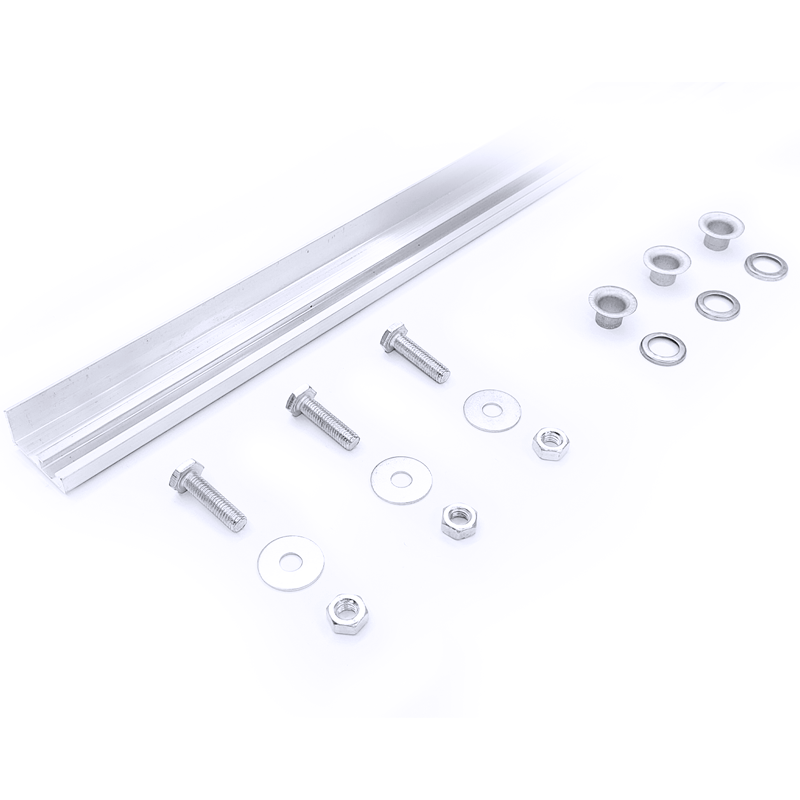
Proper installation sets the stage for long-term performance. Mounting surfaces must be structurally sound; brackets secured with corrosion-resistant hardware. Accurate measurements ensure side overlaps of at least 100mm and floor contact without dragging—eliminating stress points that initiate premature wear. Post-installation, conduct monthly inspections: look for tears >25mm, localized stiffening, bracket misalignment, or discoloration indicating UV or chemical damage. Clean bi-weekly using pH-neutral solutions only—acidic or abrasive cleaners degrade plasticizers and accelerate embrittlement. Staff training is equally vital: instruct teams to guide equipment through rather than push curtains, reducing impact damage by up to 40%. In high-traffic areas (≥200 passages/day), rotate strips quarterly to balance wear distribution. Together, these evidence-based practices sustain thermal efficiency, safety compliance, and functional lifespan.
Frequently Asked Questions
How can I determine the right PVC curtain thickness for my needs?
The ideal thickness depends on traffic volume and impact levels. For moderate traffic with 50–100 passes per hour, 2mm strips are suitable. For heavy-duty environments exceeding 200 daily cycles, opt for 3mm–4mm grades to ensure durability.
What maintenance practices extend the lifespan of PVC curtains?
Regular bi-weekly cleaning using pH-neutral solutions, monthly inspections for wear and damage, and quarterly rotation in high-traffic areas will significantly prolong the curtains’ lifespan.
Which PVC grade should be used in cold storage facilities?
Freezer-grade PVC is best for cold storage and food processing, as it retains flexibility at temperatures as low as -40°C and complies with hygiene and safety standards like NSF and HACCP certification.
What are the signs of PVC curtain degradation?
Early signs include edge fraying, micro-cracking, visible stiffening, discolored areas from UV or chemical damage, and tears larger than 25mm. Regular monitoring can help catch these issues early.
Can self-healing vinyl reduce costs?
Yes, self-healing vinyl can significantly reduce replacement costs by automatically closing minor punctures, cutting strip replacement expenses by up to 40% compared to conventional PVC.
Table of Contents
- Key Durability Factors That Define PVC Curtain Lifespan
- Matching PVC Curtain Specifications to Industry-Specific Demands
- PVC Curtain Material Grades: Selecting the Right Type for Long-Term Performance
- Installation, Maintenance, and Usage Practices That Extend PVC Curtain Durability
- Frequently Asked Questions