 EN
EN

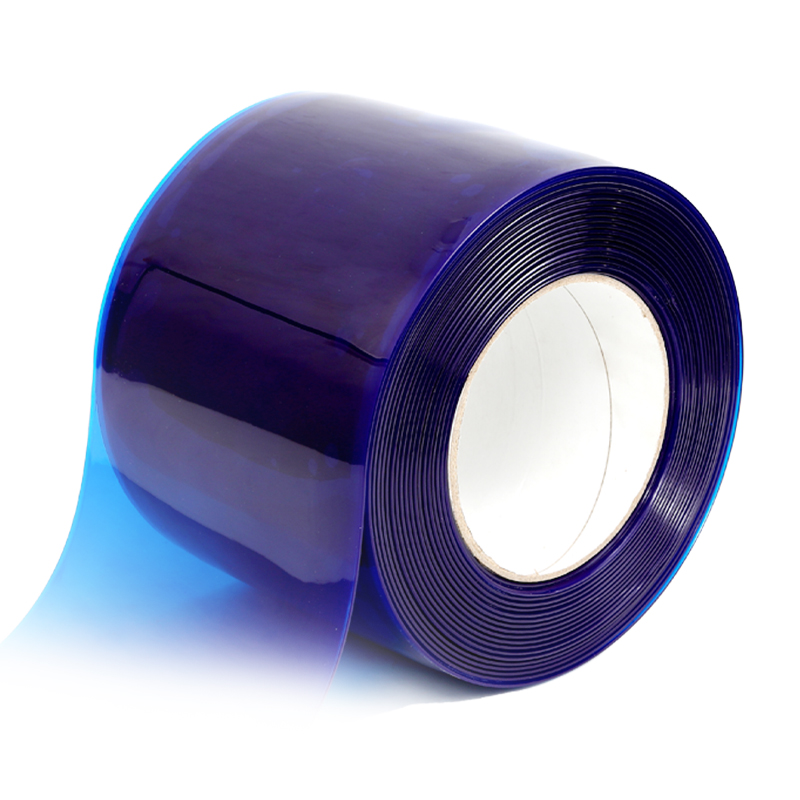
Physical Protection Against Sparks and Molten Spatter
Welding curtains serve as the first line of defense against high-velocity sparks and droplets of molten metal. By creating a physical barrier, they intercept hot projectiles before they reach nearby workers, equipment, or flammable materials—reducing burn injuries and workplace fires while preserving the welder’s unobstructed view.
How Welding Curtain Materials Resist Ignition and Block Hot Particles
Effectiveness hinges on material composition. Most industrial welding curtains use flame-resistant vinyl (PVC) reinforced with fiberglass or specialized fabrics treated with fire-retardant compounds. These materials are engineered to self-extinguish upon exposure to sparks and spatter, preventing sustained combustion. Their dense weave or thickness—such as a standard 14-mil vinyl—physically blocks hot particles traveling at speeds up to 30 meters per second. The dark tint or opacity of many curtains also absorbs radiant heat, further lowering ignition risk. This combination of density, flame-resistant chemistry, and thermal absorption ensures structural integrity even during repeated, prolonged exposure to weld spatter.
Flame-Resistant Ratings: NFPA 70E, ASTM E84, and Real-World Performance
Certified flame resistance is non-negotiable. NFPA 70E addresses electrical safety in workplaces and requires protective barriers to resist ignition from arcs and sparks. ASTM E84—the “tunnel test”—measures surface burning characteristics; a Class A (or Class 1) rating indicates minimal flame spread and is widely required for commercial welding curtains. In real-world conditions, compliant curtains char without propagating flames and limit heat release, maintaining functional integrity for several seconds—long enough for worker reaction or activation of suppression systems. Relying on these verified standards ensures consistent, reliable protection under actual workshop conditions.
UV Radiation Protection: Blocking Harmful Arc Emissions
Spectral Absorption Capabilities Against UV-A, UV-B, and UV-C
Welding arcs emit intense ultraviolet radiation across three bands: UV-A (315–400 nm), UV-B (280–315 nm), and UV-C (100–280 nm). High-performance welding curtains use materials infused with UV absorbers—such as carbon black or titanium dioxide—that convert harmful UV energy into harmless heat. This prevents skin burns, retinal damage, and polymer degradation. Premium-grade curtains achieve near-total blockage of UV-B and UV-C, the most biologically damaging wavelengths, filtering out over 99% of total UV emissions. At typical thicknesses of 14–40 mils and proper placement, they eliminate direct line-of-sight to the arc, reducing UV irradiance to safe levels—even for intermittent tasks.
Optical Density Standards (AWS F2.3M:2019) and Field-Validated Attenuation
Optical density (OD) measures UV attenuation efficacy: an OD of 2 blocks 99% of UV, while OD 3 blocks 99.9%. AWS F2.3M:2019 specifies minimum OD requirements for welding environments and mandates spectrophotometric validation across all UV bands. Field testing confirms that compliant curtains retain their rated OD after thousands of arc cycles. When installed correctly, OD 3+ curtains reduce UV irradiance from a typical 200 µW/cm² near the arc to less than 0.2 µW/cm²—well below ACGIH occupational exposure limits. Scratches, discoloration, or thermal aging can degrade OD, so regular inspection and timely replacement are essential. AWS F2.3M:2019 also recommends retesting OD after major repairs or relocation to ensure ongoing compliance.
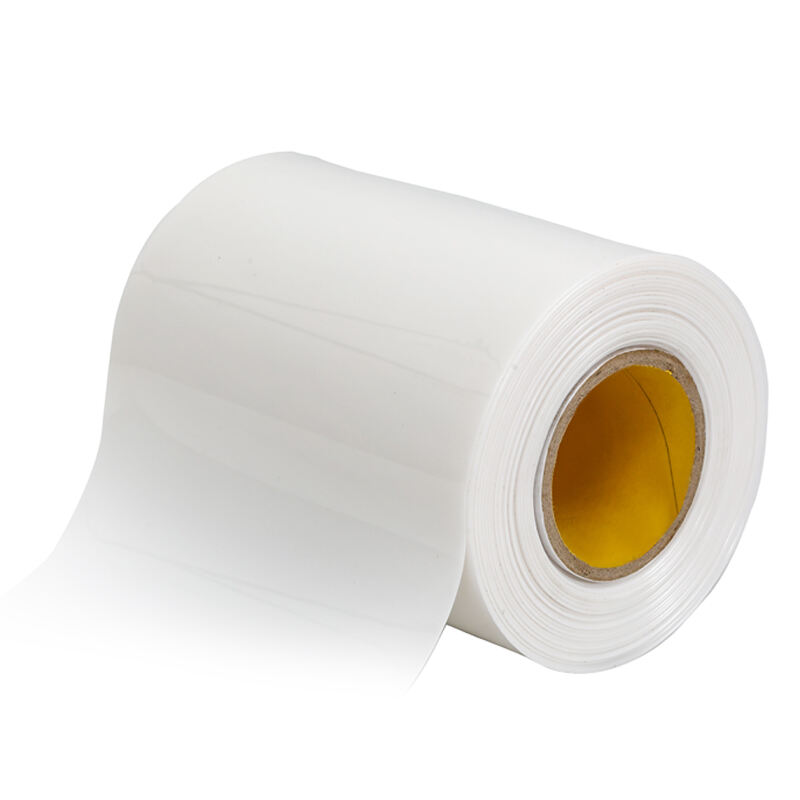
Dual-Spectrum Defense: Simultaneous UV and Infrared (IR) Mitigation
Welding curtains provide critical dual-spectrum protection—blocking both ultraviolet and infrared radiation. While UV hazards are mitigated through spectral absorption and optical density standards, IR presents a distinct thermal threat capable of causing burns or igniting nearby materials. Advanced curtain designs integrate multi-layer constructions or reflective/absorptive coatings that attenuate IR wavelengths without compromising UV blocking performance. This broad-spectrum defense safeguards against immediate arc flash injuries and cumulative heat stress—enabling safe visual monitoring of operations through the barrier.
Compliance, Layout, and Operational Best Practices for Welding Curtain Use
OSHA requires physical barriers around welding operations to protect workers from sparks, UV radiation, and infrared emissions. Install curtains at least 6 feet from the welding arc to ensure adequate protection. Inspect regularly for tears, holes, or signs of thermal degradation—and replace compromised sections immediately to maintain continuous coverage.
ANSI/OSHA Requirements and Risk-Based Installation in Intermittent Workspaces
Begin with a site-specific risk assessment: evaluate arc intensity, task frequency, proximity to other workers, and pedestrian traffic flow. In intermittent workspaces, mobile frames with transparent viewing panels offer flexibility without sacrificing safety. Position barriers to shield adjacent workstations while minimizing workflow disruption. Curtains must extend fully to the floor to contain sparks and spatter. Follow ANSI Z49.1 guidelines for height, coverage, and anchoring—tailoring installation rigor to the hazard level identified in your assessment.
FAQs
What are welding curtains made of?
Most welding curtains are made of flame-resistant vinyl (PVC) often reinforced with fiberglass or treated with fire-retardant compounds to block sparks and molten spatter effectively.
How do welding curtains protect against UV radiation?
Welding curtains use materials infused with UV absorbers like carbon black or titanium dioxide, which convert harmful ultraviolet energy into harmless heat and block over 99% of UV emissions.
Are welding curtains effective against infrared radiation?
Yes, advanced welding curtains provide dual-spectrum protection by blocking UV and attenuating infrared radiation through multi-layer constructions or reflective coatings.
How often should welding curtains be inspected?
Welding curtains should be inspected regularly for tears, thinning, discoloration, or signs of thermal aging, and compromised sections should be replaced immediately.
What standards are applicable for welding curtain flame resistance?
Key standards include NFPA 70E for electrical safety and ASTM E84, which tests flame spread. ANSI Z49.1 guidelines also address curtain design and installation.