 EN
EN

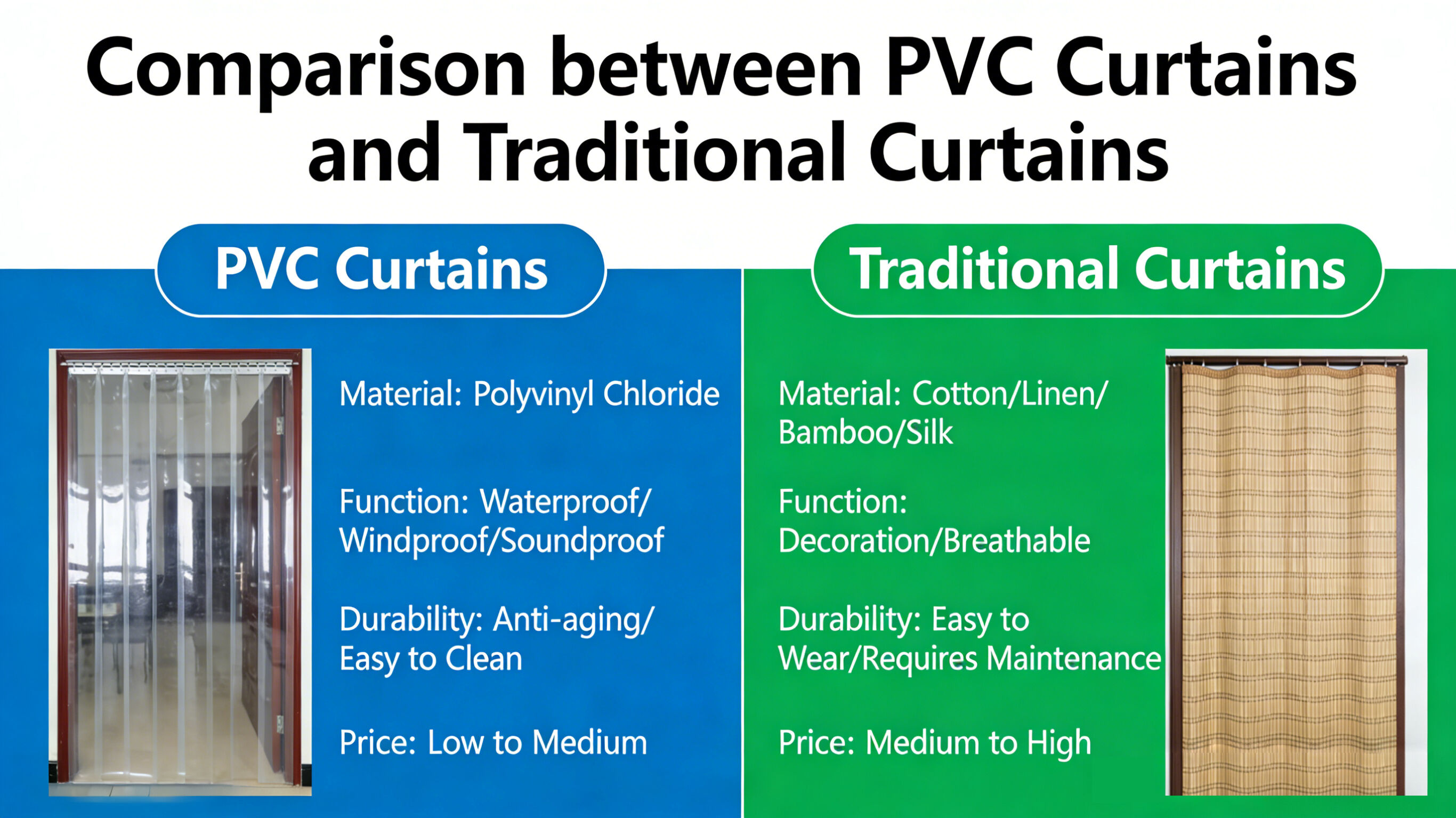
Thermal Performance and Energy Savings with PVC Door Curtains
How PVC Door Curtains Reduce Air Exchange in High-Traffic Zones
PVC door curtains help stop air from moving between different areas by forming these overlapping, flexible barriers that snap back into place right after people or equipment go through them. They basically stop the continuous airflow and prevent temperatures from drifting too much. This kind of containment really matters in places with lots of foot traffic such as loading docks. Traditional doors can let temperatures drop by around 5 to 7 degrees Fahrenheit every single minute they're left open, but PVC curtains cut down on that heat loss by roughly 60 to 80 percent. Getting good results from these curtains depends on getting three main design aspects just right, which we'll look at next.
- Strip thickness (40–60 mil) to resist pressure differentials
- Overlap coverage of at least 50% to eliminate gaps
- Weighted bottoms to maintain consistent floor contact and seal integrity
Real-World Efficiency Data: Cold Storage, Loading Docks, and HVAC Load Reduction
Businesses across various industries have noticed real gains in both energy efficiency and temperature stability once they put in those flexible PVC door curtains. Take cold storage facilities for instance - we're talking about roughly 30% of their cooling expenses going straight out the window (literally) because outside air keeps sneaking in. Thermal imaging checks show these curtains can cut down on that air leakage anywhere from 45% to almost two thirds. One warehouse in the heartland region recently fitted 12 loading doors with these curtains and saw their heating and cooling systems run 18% less throughout the year. That translated into around seven grand saved annually per door. For companies running pharmaceutical packaging operations where temperatures need to stay within just a couple degrees either way, these curtains made all the difference. They kept things much steadier without compromising production speed, slashed daily power consumption by about 1.2 kilowatt hours per square meter, and cut down product waste by nearly a quarter too.
| Application | Energy Savings | Temperature Stability Improvement |
|---|---|---|
| Cold Storage | 40–55% | ±1.5°F vs. ±4°F |
| Loading Docks | 30–50% | 70% less fluctuation |
| Manufacturing HVAC | 15–25% | 50% faster recovery |
Total Cost of Ownership: PVC Door Curtain Installation, Maintenance, and ROI
Upfront Costs, Labor, and Retrofit Compatibility Across Facility Types
Switching to PVC door curtains means saving around 60 to 80 percent upfront compared to regular industrial doors. Getting them installed is pretty quick too, usually taking between two and four hours for each entrance. The best part? No need to mess with building structures since the standard hardware works right with what's already there. For places like warehouses, food factories, and loading areas where time matters, this makes life much easier. Motorized doors come with all sorts of wiring expenses and often force businesses to shut down operations while they go in. With PVC curtains, none of that happens. Plus, the strips can be adjusted on site to fit different widths without paying extra for special manufacturing. Those custom jobs normally tack on an additional quarter to almost half the total cost of traditional door installations.
Lifecycle Savings vs Traditional Doors: Replacement Frequency and Repair Costs
Looking at their performance over about ten years, PVC door curtains actually end up costing around 35 percent less overall than those old fashioned overhead doors most people still use. The impact resistant PVC strips themselves tend to stick around for between five and seven years which is roughly three times longer than regular rubber seals typically last inside cold storage areas. Plus they don't need any kind of maintenance work like lubricating parts, fixing motors, adjusting tracks, or messing with springs. When something does eventually break down, replacing just one strip will set back less than fifty bucks whereas getting panels fixed on traditional doors usually runs upwards of five hundred dollars. Traditional models also seem to call for service pretty regularly too maybe three times every year at around three hundred dollars each time according to what industry folks track. And when we factor in that there's somewhere between eighteen and thirty percent fewer energy losses because these doors aren't constantly opening and closing, businesses with lots of foot traffic can expect to see their investment pay off within fourteen months or so.
Hygienic Integrity: Contamination Control with PVC Door Curtains in Sensitive Environments
Barrier Efficacy Against Dust, Insects, and Microbial Transfer in Food & Pharma Facilities
PVC door curtains are becoming essential in food processing and pharmaceutical settings where they act as real barriers against dust, bugs, and germs getting through the air. Studies show these curtains cut down contamination risks by around 90% when compared to regular open doors. The way the strips overlap creates good seals without slowing down workers moving through the area. Plus, their smooth surfaces don't let particles stick to them and can handle constant cleaning with strong disinfectants used in factories. Meeting regulations like HACCP, GMP, and ISO 14644 becomes much easier with this setup. Some versions have special anti-static properties that keep dust away in dry manufacturing spaces, while others with UV protection last longer even after many washes. Traditional doors just aren't cutting it anymore because all those parts like hinges and gaskets collect dirt over time. PVC curtains maintain their cleanliness consistently in places where sterility matters most such as packaging areas, cleanrooms, and wherever ingredients are handled directly.
Operational Impact: Workflow, Accessibility, and Visibility with PVC Door Curtains
Industrial facilities are turning to PVC door curtains because they let people and equipment move freely through busy areas without stopping. The clear panels mean workers can still see what's happening on either side of the curtain, spotting dangers like forklifts coming around corners. Some studies show these see-through barriers cut collision risks by about 40% when compared to solid walls. Traditional doors just don't work as well in these situations. Manual gates slow things down while automatic ones often malfunction during peak hours. That's why many warehouses install these flexible curtains at their loading docks and assembly lines. Managers notice significant improvements in workflow after installation, sometimes seeing warehouse operations pick up by roughly 30%. The special floor markings help guide traffic flow too, keeping different streams of activity separate. What makes these curtains really valuable is how they balance multiple needs at once: keeping workers safe, speeding up operations, controlling temperature fluctuations, and maintaining clean conditions all without compromising any single aspect.
FAQ
What are PVC door curtains?
PVC door curtains are flexible, overlapping strips used to control air flow, temperature, and contamination in high-traffic areas.
How do PVC door curtains contribute to energy savings?
They reduce heat loss significantly compared to traditional doors, saving up to 80% on energy expenses.
Can PVC door curtains be installed easily?
Yes, they typically take about 2 to 4 hours to install per entrance and do not require modifying existing structures.
How do PVC curtains help maintain hygienic conditions?
They act as barriers against dust, insects, and microbes, facilitating easier compliance with regulations like HACCP and GMP.
Table of Contents
- Thermal Performance and Energy Savings with PVC Door Curtains
- Total Cost of Ownership: PVC Door Curtain Installation, Maintenance, and ROI
- Hygienic Integrity: Contamination Control with PVC Door Curtains in Sensitive Environments
- Operational Impact: Workflow, Accessibility, and Visibility with PVC Door Curtains