 EN
EN

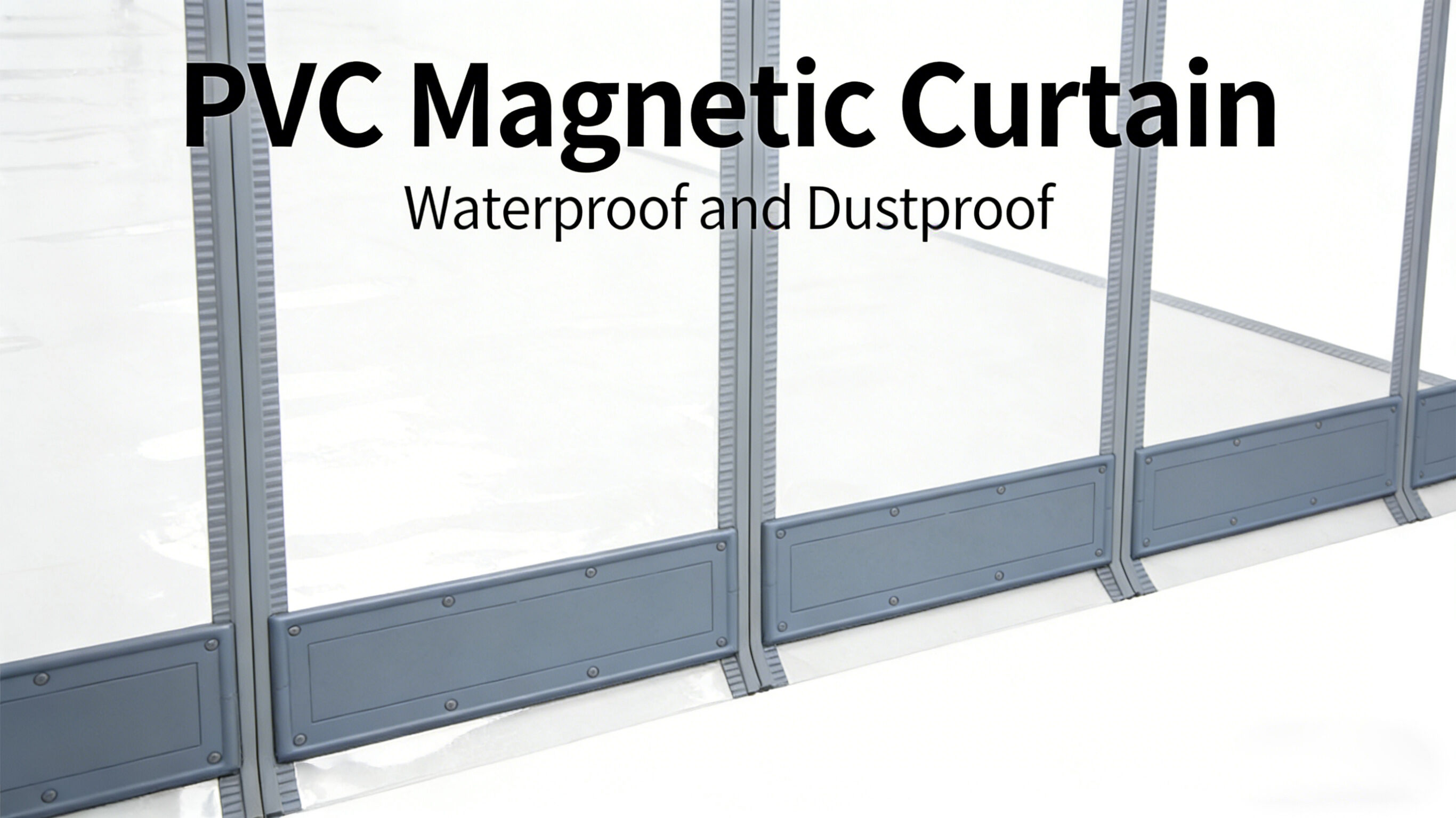
How PVC Magnetic Curtains Achieve Automatic Sealing and Contamination Control
Self-Closing Mechanism: How Embedded Magnets Enable Instant, Reliable Re-Alignment After Passage
Magnetic PVC curtains work automatically because they have neodymium magnets built right into those vinyl strips. If someone or something pushes them apart, those strong magnets pull together again almost instantly - way quicker than any mechanical system or passive curtain could manage. What this means is that the barrier stays intact even after being opened, keeping out dust particles, tiny aerosol droplets, and unwanted moisture from getting through. Facilities that install these magnetic systems report their seals stay good throughout hundreds of openings every single day, which makes a big difference in places like food factories where contamination between areas needs to be prevented at all costs. And here's what makes it really great: there's absolutely no need for electricity, gears, or regular maintenance. Just pure magnetism doing its job reliably without anyone needing to interfere with it.
RF-Welded Magnet Encapsulation: Ensuring Waterproof Integrity and Long-Term Durability
RF welding bonds magnets directly into the PVC material, creating what amounts to a seamless connection at the molecular level. This means no more stitching holes, glued seams, or weak spots where magnets are just stuck on the surface. The way these magnets get encapsulated gives them IP65 protection ratings, so they can handle dust storms and light water spray without issues. Even after five years or so, these components hold up well in places with lots of moisture or frequent washing down. Compared to regular magnets that sit on top or get glued in place, RF welded versions don't provide hiding spots for bacteria to grow in those little crevices. They also stand up to all sorts of industrial cleaners, from really strong acids to basic solutions across the pH spectrum, without coming apart or losing their effectiveness. What we end up with is equipment that stays clean and resists rust, meeting both FDA and EHEDG requirements for use in food processing and pharmaceutical applications where contamination risks must be minimized.
Waterproof and Dustproof Performance: Material, Design, and Real-World Efficacy
Optimizing PVC Composition and Thickness (1.5–3.0mm) for IP65-Level Particle and Moisture Exclusion
IP65-rated performance stems from deliberate material engineering–not just thickness alone. The optimal 1.5–3.0mm PVC range balances flexibility for rapid resealing with structural rigidity to resist deformation under air currents or pressure differentials. Key formulation elements include:
- UV-stabilized polymer blend: Maintains elasticity and clarity across -20°C to 70°C, preventing embrittlement or tackiness.
- High-density formulation (1,300–1,500 kg/m³): Physically blocks airborne particulates down to 75 microns–critical for ISO Class 8 cleanrooms and HACCP-sensitive zones.
- Reinforced edge construction: Double-stitched hems combined with RF-welded magnet zones eliminate capillary pathways for moisture wicking.
IP ratings demystified:
| IP Code | Dust Protection | Water Resistance |
|---|---|---|
| IP65 | Complete (dust-tight) | Low-pressure jets (all directions) |
| IP67 | Complete | Immersion up to 1m temporarily |
Case Evidence: 92% Reduction in Particulate Ingress in Food Processing Facilities
Third party audits at a large food manufacturing plant found something pretty impressive when they swapped out regular PVC strip curtains for magnetic ones. The amount of dust and particles getting into the facility dropped by almost 92%. Before the change, there were about 18.5 milligrams per cubic meter floating around, but after installation it went down to just 1.48 mg/m³. What's really interesting is this performance stayed consistent even with all those doors opening and closing 85 times each day plus the tough cleaning routines. This kind of stability helps meet those HACCP standards everyone talks about and cuts down on product recalls too. Looking at quality control numbers afterward tells another story worth noting. First time through inspection passes jumped up by 37%, which makes sense since better seals mean cleaner operations overall. For manufacturers concerned about both keeping their products safe and staying within regulations, these results speak volumes about what good engineering can accomplish.
Why Magnetic Closure Outperforms Hook-and-Loop in High-Traffic Industrial Environments
Reliability Under Stress: Consistent Seal Integrity Across Temperature Fluctuations and Frequent Use
In tough industrial environments where hook and loop fasteners tend to break down quickly over time, magnetic closures offer much better long term reliability. Testing has shown that magnetic seals can keep working properly for over 10,000 open and close cycles. Hook and loop fasteners tell a different story though they start losing their grip strength pretty fast, dropping about 73% of what they originally had after only around 1,500 cycles because the fibers wear out and get dirty from particles. What makes magnets really stand out is how they work consistently even when temperatures swing between -40 degrees Fahrenheit and 180 degrees Fahrenheit. Hook and loop materials behave differently in these extremes they get too soft when it's hot above 120 degrees and become rigid when cold, which actually affects both the quality of the seal and poses safety risks for workers. Another advantage comes from the way magnetic strips automatically line up without needing any adjustment by hand. This saves time compared to hook and loop systems that require constant repositioning, especially important during busy production periods when every second counts and contamination risks need to be minimized.
Debunking Myths: Neodymium Magnets in PVC Magnetic Curtains Maintain Flexibility and Cold-Temperature Functionality
RF-encapsulated PVC curtains with neodymium magnets maintain their flexibility even when temperatures drop below freezing. Tests show these materials can still bend completely at around -22 degrees Fahrenheit, which goes well beyond what most freezers require. After about five years of constant use in food processing environments, they keep over 98% of their original magnetic power. The special encapsulation technique keeps the magnets protected from outside elements, so there's no corrosion and the PVC stays resilient in cold conditions. Compared to stiff metal or ceramic closures that break easily, this flexible design with added ferrite actually handles impacts better without cracking or peeling apart. That means longer lasting seals that resist contamination problems where older systems tend to give out.
Frequently Asked Questions
What are the advantages of using PVC magnetic curtains?
PVC magnetic curtains provide automatic sealing without the need for electricity, ensuring contamination control by keeping dust, aerosols, and moisture out. They're reliable, requiring minimal maintenance, and provide IP65 protection.
How do PVC magnetic curtains withstand extreme temperatures?
PVC magnetic curtains handle extreme temperatures thanks to their neodymium magnets and special encapsulation, allowing flexibility and strength even at temperatures as low as -22°F.
Why are PVC magnetic curtains superior to hook-and-loop fasteners?
Unlike hook-and-loop systems, magnetic closures endure more wear and tear, maintaining consistent seal integrity despite temperature fluctuations or frequent use.