 EN
EN

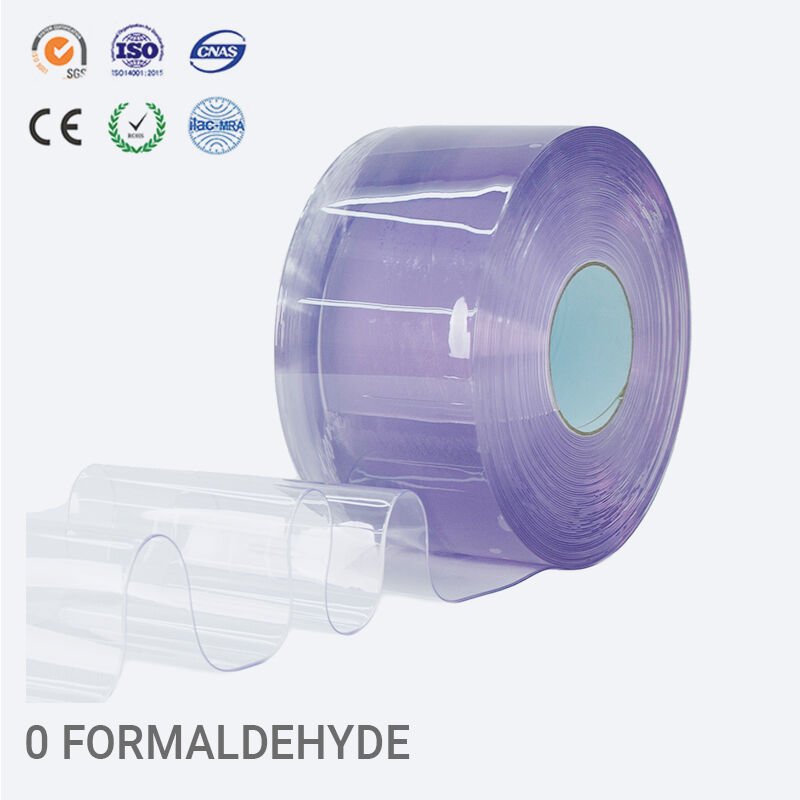
What Is a PVC Sheet Roll and Why It Matters for Industrial Fabrication
PVC sheet rolls are basically long strips of thermoplastic made from polyvinyl chloride resin through either calendaring or extrusion processes. What makes these rolls so attractive for industrial use? They last a long time, resist chemicals pretty well, and they're not too expensive either. That combination has really driven their popularity in manufacturing settings. Compared to those stiff panels, working with rolls just makes sense when dealing with big production runs because there's way less waste when cutting and shaping them. Many manufacturers rely on PVC rolls for things like protective linings inside tanks, covering buildings with cladding materials, or creating all sorts of custom parts. The real advantage comes from how flexible these sheets can be shaped around complicated forms without breaking or cracking, which is something rigid alternatives just can't match.
When properly mixed with certain additives, PVC sheets show good flame resistance and UV protection, which helps them pass those tough international safety tests including the EUROCLASS B1/M1 standard for how they perform during fires. The FDA approved versions are actually pretty clean stuff, so they work well where food gets processed or medical devices get made. Plants that have switched to using these PVC rolls often see their production time drop by around 30% compared to other materials because they can cut shapes easily, form them with heat, and weld pieces together without much hassle. Plus, since these sheets can be recycled through modern recycling systems, many manufacturers now consider PVC roll stock as both efficient and environmentally friendly option for large scale operations across different industries.
Key Applications of PVC Sheet Roll Across Manufacturing Sectors
PVC sheet roll serves as a versatile material foundation across industrial operations due to its durability, chemical resistance, and cost efficiency—enabling reliable performance under demanding conditions.
Signage and Visual Communication
Its smooth, printable surface and weather resistance make PVC sheet roll ideal for indoor and outdoor signage—from retail displays and exhibition graphics to durable safety labels. Dimensional stability ensures long-term legibility and color fidelity, while lightweight handling simplifies installation and transport.
Industrial Gasketing and Protective Linings
In machinery, piping, and chemical processing equipment, PVC sheet roll delivers consistent sealing performance against oils, acids, and moderate temperature fluctuations. Uniform thickness ensures predictable compression behavior in gaskets, and its non-reactive nature prevents corrosion or contamination in tank linings and ductwork.
Architectural Cladding and Interior Design Elements
Architects specify UV-stabilized PVC sheet roll for exterior cladding and interior applications like wall panels, ceiling systems, and curved decorative elements. Thermoformability allows seamless integration into complex façades and commercial interiors, while long-term color retention supports aesthetic integrity over time.
How to Choose the Right PVC Sheet Roll: Thickness, Flexibility, and Compliance
Matching Gauge and Hardness to Functional Requirements
The right thickness and hardness depend on what the material needs to do. For things that need to bend and flex, thin materials around 0.5 to 1 mm work well for stuff like sealing gaps or wrapping components. When something needs to hold its shape and support weight, thicker options between 3 and 5 mm are better suited for things like signs or building panels. Rigid PVC keeps its form even when pressure is applied, making it great for construction projects. Flexible versions can handle constant movement though, which is why they're commonly used in pipe linings and door seals. Before finalizing specifications, it's important to check how materials perform under actual conditions they'll face daily. Look at factors like constant vibrations from machinery, the weight they need to carry over time, and how they react to temperature changes throughout the day. These tests help prevent unexpected breakdowns down the road.
Evaluating Flame Retardancy, UV Stability, and FDA Compliance
Getting proper certifications really helps manage risks in various industries. For things like electrical enclosures, public buildings, and transit vehicles, it's important to use flame-retardant PVC that meets either EUROCLASS B1 or ASTM E84 Class A standards. When materials need to last outside, UV stabilized versions make all the difference. These can hold up against fading, cracking, and other damage for around 10 years even in tough weather conditions. In places where regulations are strict, such as food processing plants or pharmaceutical facilities, manufacturers must stick to FDA approved PVC rolls. Why? Because regular PVC might release harmful chemicals over time. Companies that ignore these requirements face major headaches both operationally and financially. According to the Ponemon Institute from 2023, fines typically run above $740,000 when caught non-compliant. Always check for those certification papers before making any purchases.
Installation, Handling, and Long-Term Performance Tips for PVC Sheet Roll
Proper Unrolling, Cutting, and Thermal Forming Techniques
Allow PVC sheet rolls to acclimate at room temperature for 24 hours before unrolling to eliminate internal stress and reduce cracking risk. Use controlled, two-person unrolling to prevent creasing or edge damage. For clean, precise cuts:
- Use sharp, carbide-tipped blades
- Maintain low blade speeds to avoid thermal deformation
- Secure sheets with non-marring clamps during scoring or routing
Thermoforming requires strict temperature control between 130°C and 170°C (266°F–338°F). Apply even heat distribution—never direct flame—and allow gradual cooling: 15 minutes per millimeter of thickness—to prevent warping or residual stress.
Preventing Static Buildup, Creasing, and Environmental Degradation
Control static electricity—especially in low-humidity settings—with ionizing blowers or anti-static sprays during handling and fabrication. Store rolls vertically on dedicated racks to maintain roundness and prevent flat-spotting; rotate stock quarterly to ensure first-in, first-out usage. For environmental protection:
- Apply UV-resistant topcoats for extended outdoor exposure
- Maintain storage temperatures between 10°C–30°C (50°F–86°F)
- Use breathable, non-PVC covers to inhibit condensation
- Isolate from solvents, oxidizers, and ozone-generating equipment
Conduct biannual inspections to detect early signs of plasticizer migration, surface crazing, or discoloration. When paired with proper specification and handling, PVC sheet roll delivers reliable performance for 15+ years in industrial environments.
FAQ
What are the main benefits of using PVC sheet rolls in industrial settings?
PVC sheet rolls are cost-effective, durable, resist a variety of chemicals, and can be easily shaped without breaking, making them an ideal choice for large-scale manufacturing, protective linings, and custom parts.
How does the thickness of PVC sheet rolls affect their application?
Thinner PVC sheet rolls are suitable for applications needing flexibility like sealing gaps, while thicker rolls offer structural support for signs and building panels. The choice depends on the specific functional requirements.
Are PVC sheet rolls environmentally friendly?
Yes, PVC sheet rolls can be recycled through modern recycling systems, making them an efficient and environmentally friendly option for industrial use.
What certifications should be considered when purchasing PVC sheet rolls?
Key certifications include flame-retardant standards like EUROCLASS B1 or ASTM E84 Class A, UV stability for outdoor usage, and FDA compliance for use in food processing or pharmaceutical facilities.