 EN
EN

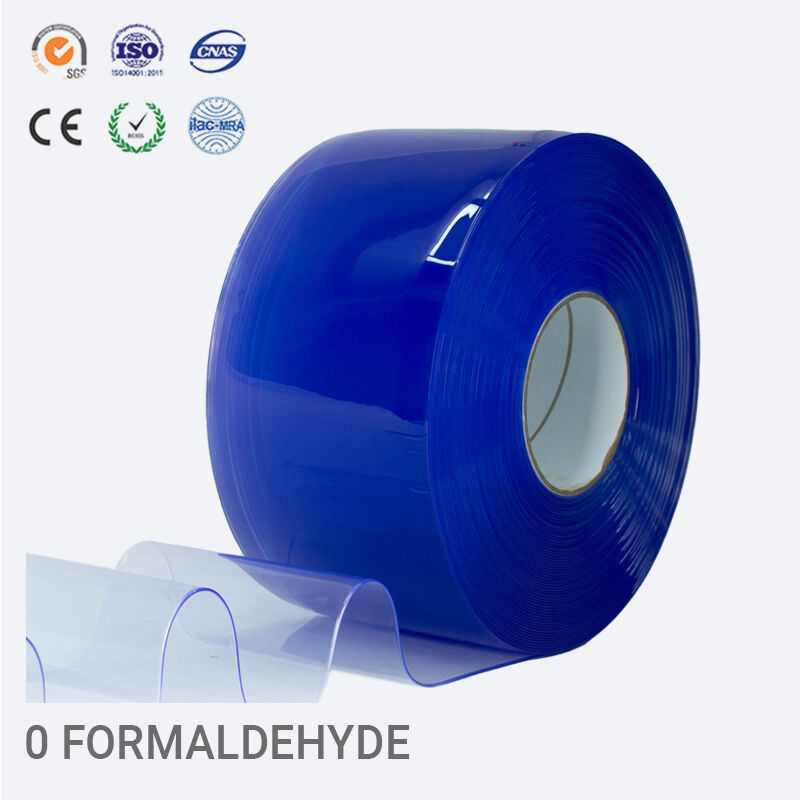
How PVC Curtains Prevent Electrostatic Discharge in Sensitive Workshops
The Science of Static Buildup in High-Traffic Industrial Zones
Workshops dealing with delicate electronics or flammable substances often struggle with static electricity building up fast from simple friction. When staff members and machinery pass through doorways regularly, the contact between different surfaces can produce charges reaching around 25 kilovolts. That kind of voltage is bad news for microchips and could even set off solvent vapors. The problem gets worse in busy areas where there are about 70 percent more electrostatic issues compared to controlled spaces because of all the moving air and materials being handled constantly. Standard swinging doors actually make things worse by causing pressure changes that speed up how charges spread across surfaces. If nothing gets done about this situation, facilities face serious ESD risks that threaten worker safety and ruin expensive products sitting on production lines.
Anti-Static PVC Curtains: Disrupting ESD Pathways Through Controlled Surface Resistivity
Specialized PVC curtains tackle this problem by having just the right surface resistivity levels around 1 million to 1 billion ohms per square. They create a safe path for electrical charges to escape instead of building up dangerously. Standard vinyl materials don't do this because they lack those special properties found in anti-static versions which contain things like carbon particles or metal additives. These help guide stray electricity away from delicate equipment parts where damage could occur. When these strips are put up near doors or other access points, they stay in touch with whatever moves through them, effectively grounding any static charge before it gets bad enough to cause issues. Semiconductor manufacturing plants report seeing about 92 fewer electrostatic discharge events when these curtains are properly installed since they stop those sudden shocks from jumping across tiny spaces between components. Plus, workers aren't slowed down at all since the flexible material simply snaps back into place once something passes through.
PVC Curtains as Continuous Dust Barriers: Engineering Clean Airflow Without Compromising Access
Why Swing Doors Fail Air Turbulence, Particle Resuspension, and Real-Time Containment Gaps
When swing doors open, they inevitably stir up air turbulence that messes with the smooth laminar flow needed in cleanrooms and other controlled environments. What happens next is pretty bad for cleanliness standards too. The disturbance kicks settled particles back into the air we breathe, particularly those tiny micro-dust particles smaller than 10 microns. Every time someone opens these doors, there's a pressure difference that sucks in dirty air from nearby spaces through the gaps around the door frame. Particle levels can jump anywhere between 200% to 400% higher when lots of people are moving through. Regular doors just don't seal properly while they're swinging open and closed, which lets contaminants spread across different areas as they operate. Plus, their solid construction means they don't snap shut quickly enough to stop particles from continuing to move around even after closing. This becomes a major issue in facilities certified under ISO standards where keeping track of airborne particles is absolutely essential all day long.
Measured PM2.5 Reduction Behind PVC Curtain Installations in ISO Class 7-8 Environments
Properly engineered PVC curtains maintain particulate containment through overlapping anti-static strips that realign instantly after passage, eliminating turbulence-induced resuspension. In ISO Class 7-8 environments where PM2.5 thresholds are critical these curtains demonstrate measurable efficacy:
- Controlled air exchange: Strip overlap design reduces air velocity by 70-85% versus open doorways, minimizing particle ingress
- PM2.5 suppression: Facilities report 55-65% reductions in ambient PM2.5 levels within 8 weeks of installation
- Continuous sealing: Thermal imaging confirms near-zero air leakage at curtain edges when static
The flexibility of high-grade PVC ensures minimal disruption to directional airflow patterns, allowing seamless integration with existing HVAC systems while maintaining 24/7 access. This balance of unrestricted movement and persistent barrier functionality makes PVC curtains indispensable for sustained air quality in precision manufacturing zones.
Material Compliance and Performance: Selecting PVC Curtains That Meet ASTM D257 and Industry-Specific Standards
When it comes to picking out PVC curtains that meet compliance standards, manufacturers need to check them thoroughly against both electrostatic and particulate requirements. According to ASTM D257 standards, these materials should have surface resistivity somewhere between 1 million and 1 billion ohms to properly dissipate static electricity. This matters a lot in places like electronics factories where accidental static shocks can really hurt equipment, costing companies around hundreds of thousands on average when things go wrong. Different industries throw in their own special demands too. Pharmaceutical companies working in cleanrooms typically look for ISO 14644-1 certification to keep particles at bay. Meanwhile, food processors want materials that are safe according to FDA guidelines, won't release toxins, and can stand up to regular cleaning with harsh chemicals without breaking down.
| Compliance Factor | Industrial Impact |
|---|---|
| Surface Resistivity | Prevents ESD damage to microchips during assembly line transit |
| Tensile Strength (≥17 MPa) | Withstands high-traffic forklift impacts without tearing |
| Low-Temperature Flexibility | Maintains sealing integrity in chilled environments down to -30°C |
When looking at PVC curtains, go for ones that have been third party tested and come with actual certification papers to back them up. The truth is materials tend to break down over time especially after being exposed to UV light or harsh cleaning chemicals, which can actually make them non compliant pretty quickly within about 12 to 18 months. Semiconductor manufacturing plants across the industry have noticed something interesting though. Those facilities that choose curtains formulated according to both ASTM D257 standards and ISO Class 7 particulate requirements see their curtain life extended by around 40%. This double standard approach cuts down on replacement expenses significantly while still keeping those important contamination barriers intact throughout operations.
Proven Applications Across Industries: From Semiconductor Fabrication to Pharma Cleanrooms
Semiconductor Assembly: 92% ESD Incident Reduction Post-PVC Curtain Retrofit
The semiconductor manufacturing process deals with serious electrostatic discharge problems that can wreck microchips while they're being assembled on the production line. Anti-static PVC curtains help stop this by managing how much charge builds up on surfaces. These curtains have what's called controlled surface resistivity, somewhere below 10 to the power of 9 ohms, which basically means they create safe paths for electricity to travel away from sensitive components. When one big chip maker installed these special curtains at busy transfer areas between different stages of production, they saw something amazing happen. Their records showed about 90% fewer instances of ESD damage happening across multiple production lines. This improvement helped them stay compliant with those strict SEMI cleanroom requirements for keeping things properly ionized when handling delicate wafers throughout the fabrication process.
Pharmaceutical Manufacturing: Validated Particulate Control in Aseptic Processing Zones
The problem with swing doors is they stir up all sorts of turbulence that sends airborne contaminants back into circulation. This is really bad news for pharmaceutical cleanrooms operating under ISO Class 7 to 8 standards which need particle counts below 352,000 per cubic meter. Clear PVC curtains offer a better solution since they help keep air flowing smoothly while still allowing staff to move through freely when needed. Some recent tests showed PM2.5 levels dropped about 78% after installing these curtains in areas where sterile products get filled. Makes sense why this method aligns with what the FDA recommends for keeping microbes out during those times when people are moving between different cleanroom zones.
FAQ
What are anti-static PVC curtains?
Anti-static PVC curtains are specially designed curtains that manage surface resistivity to prevent electrostatic discharge (ESD) by safely diverting electrical charges away from sensitive components.
How do PVC curtains improve air quality in cleanrooms?
PVC curtains maintain controlled airflow and reduce particle resuspension, leading to reduced contamination levels and maintaining a clean environment in areas certified by standards like ISO Class 7-8.
Can PVC curtains withstand industrial conditions?
Yes, PVC curtains are crafted to withstand high-traffic environments, regular cleaning, and varying temperatures, ensuring durability and compliance with industry standards such as ASTM D257.
Table of Contents
- How PVC Curtains Prevent Electrostatic Discharge in Sensitive Workshops
- PVC Curtains as Continuous Dust Barriers: Engineering Clean Airflow Without Compromising Access
- Material Compliance and Performance: Selecting PVC Curtains That Meet ASTM D257 and Industry-Specific Standards
- Proven Applications Across Industries: From Semiconductor Fabrication to Pharma Cleanrooms
- FAQ