 EN
EN

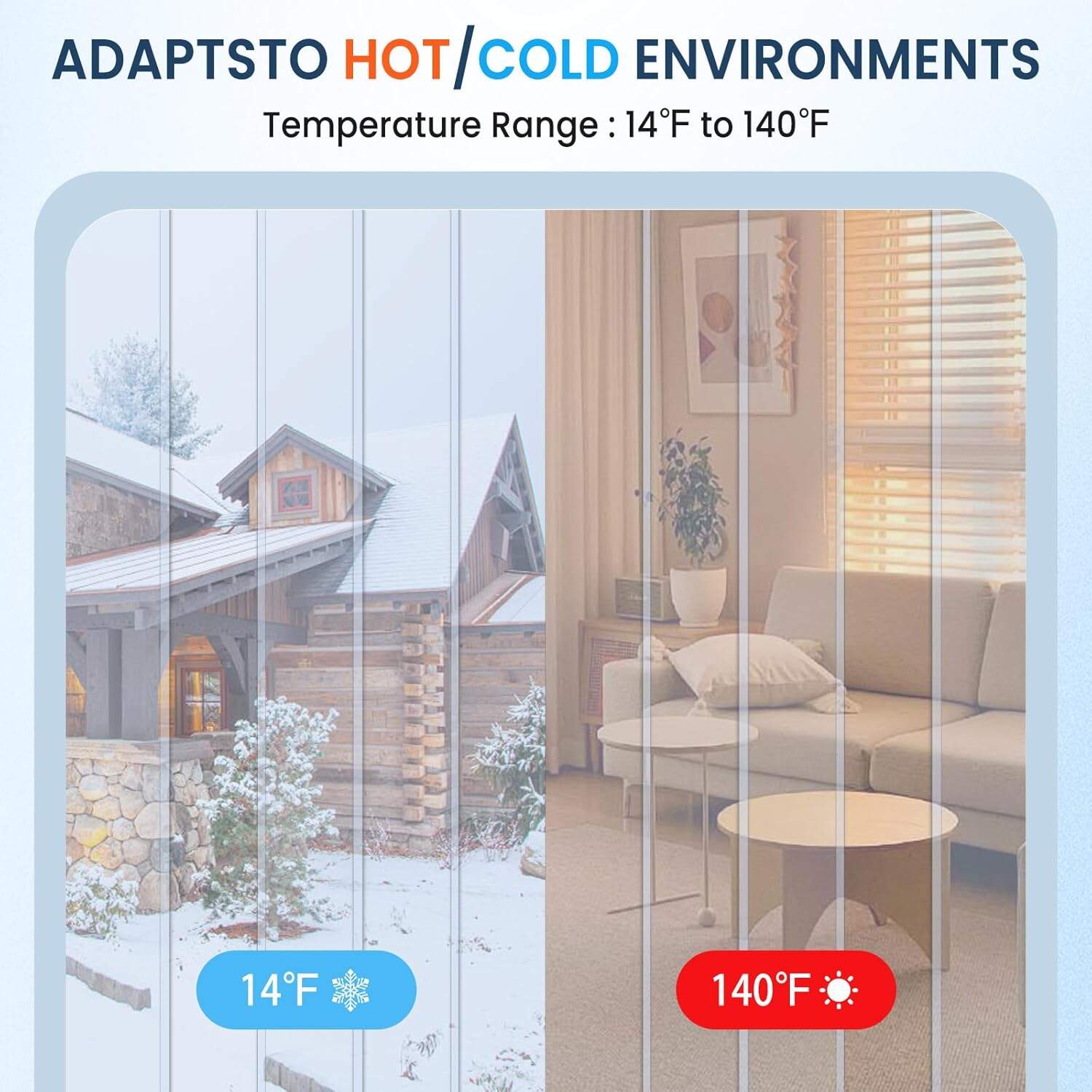
How PVC Curtains Minimize Heat Transfer and Maximize Thermal Resistance
Conductive, Convective, and Radiative Barrier Mechanisms
PVC curtains work against heat transfer in three main ways. First off, they have pretty low thermal conductivity around 0.19 W/m·K which means less heat moves through them naturally. The thicker ones, about 3 to 5 mm, cut down on temperature swapping between areas by roughly 60% when compared to just leaving doors open. When these strips overlap each other, they actually block the airflow patterns we see all the time - warm air trying to rise and cold air sinking down. Standard PVC materials tend to soak up radiant heat energy. But if they're metallized or come in lighter colors, they bounce back about 70 to 80% of that infrared stuff from the sun, so buildings stay cooler. All these features combine to create something flexible and responsive, making them great solutions for places with constant foot traffic such as warehouse loading zones where doors need to remain accessible but still maintain some level of climate control.
The Role of Air Trapping and Surface Reflectivity in Insulation Performance
PVC curtains actually work pretty well as insulation thanks to two main things working together: air pockets between the layers and reflective surfaces. When these strips overlap, they form little pockets of still air that stay put even after lots of opening and closing. Think of it kind of like having tiny windows inside windows, but these pockets reform every time someone moves through the curtain. Plus, those white or metallic looking surfaces bounce back around 80% of the heat coming through, which cuts down on heat transfer by almost half compared to regular PVC materials. What this means is that what used to be just something hanging at an entrance now helps control temperature, so buildings don't need their heating and cooling systems running as much all day long while still allowing staff and customers to move freely in and out.
Quantifiable Energy Savings from PVC Curtain Installation
HVAC Load Reduction: Up to 50% in High-Traffic Industrial Facilities
Industrial facilities where people and machinery constantly move around face big problems when air escapes through doorway gaps. This uncontrolled airflow makes HVAC systems work way harder than they should. PVC strip curtains help solve this issue by creating barriers that stop warm or cool air from leaking out while still allowing staff to pass through easily. Real world tests have found that these simple installations can cut down on heating and cooling costs by roughly half sometimes even more. The biggest savings happen in places like warehouses or manufacturing plants with lots of doors opening and closing all day long, especially when there's a large difference between outside temperatures and what's needed inside for proper operations.
Cold Air Retention at Loading Docks and Temperature-Sensitive Zones
Loading docks are actually where most of the energy escapes in facilities that need to maintain specific temperatures, particularly when there's a big difference between outside and inside temps over 30 degrees Celsius. PVC curtains function kind of like temporary doors, keeping cold or warm air from escaping and helping maintain stable temperatures inside within about plus or minus 1 degree. For places storing food products or pharmaceuticals, this kind of temperature stability means compressors don't have to work so hard all the time, cutting down on those annoying defrost cycles by roughly 30 to 40 percent according to industry reports. Plus, workers appreciate not having to deal with extreme temperature swings, which makes sense since many warehouses have regulations requiring them to keep things at certain temperature ranges for safety reasons.
PVC Curtains for Environmental Separation and Stable Indoor Climate Control
PVC curtains act as important barriers between areas with different temperatures, keeping warm air out of refrigerated spaces and stopping cold air from escaping climate controlled areas. These curtains cut down on temperature swings by around 75-80% in busy spots, which really takes pressure off the heating and cooling systems. The multiple strips create little pockets of insulation, and those smooth shiny surfaces help block heat radiation too. For places that need strict controls like food processing plants or pharmaceutical labs, these curtains do double duty by creating a cleaner environment since they stop airborne particles from moving between areas. Actual installations show that temperatures stay pretty stable within about 2 degrees Celsius range, and many facilities report cutting their HVAC costs somewhere around 35-45% each year when using these curtains in cold storage areas.
Real-World Validation: Proven PVC Curtain Performance in Cold Storage and Manufacturing
Ohio Cold Storage Case Study: 42% Annual HVAC Energy Reduction
A cold storage warehouse in Cleveland saw their yearly HVAC energy costs drop by around 42% after they put up those flexible PVC strip curtains at the main loading docks. The facility managers placed them where most trucks came and went, which helped keep warm outside air from rushing in while still letting workers move goods freely. These plastic strips actually trap air between layers, cutting down temperature fluctuations by roughly 8 to 12 degrees Fahrenheit in areas where temperature stability matters most. Since heating and cooling typically eats up more than half the electricity bill for these kinds of buildings, saving money on HVAC isn't just good for the bottom line but also helps meet regulatory requirements for maintaining proper temperatures. This makes all the difference when storing perishable foods or sensitive medications where even small temperature changes can spell disaster.
Frequently Asked Questions
Do PVC curtains work in both winter and summer?
Yes, PVC curtains are effective in minimizing heat transfer in both winter and summer, helping to maintain stable indoor temperatures regardless of the outside climate.
How do PVC curtains contribute to energy savings?
PVC curtains reduce air leakage and maintain stable indoor temperatures, which lessens the load on HVAC systems, thereby cutting down energy consumption costs effectively.
Are PVC curtains customizable for different environments?
Yes, PVC curtains can be tailored with different thicknesses, colors, and patterns to suit specific environmental needs while also providing flexible accessibility.