 EN
EN

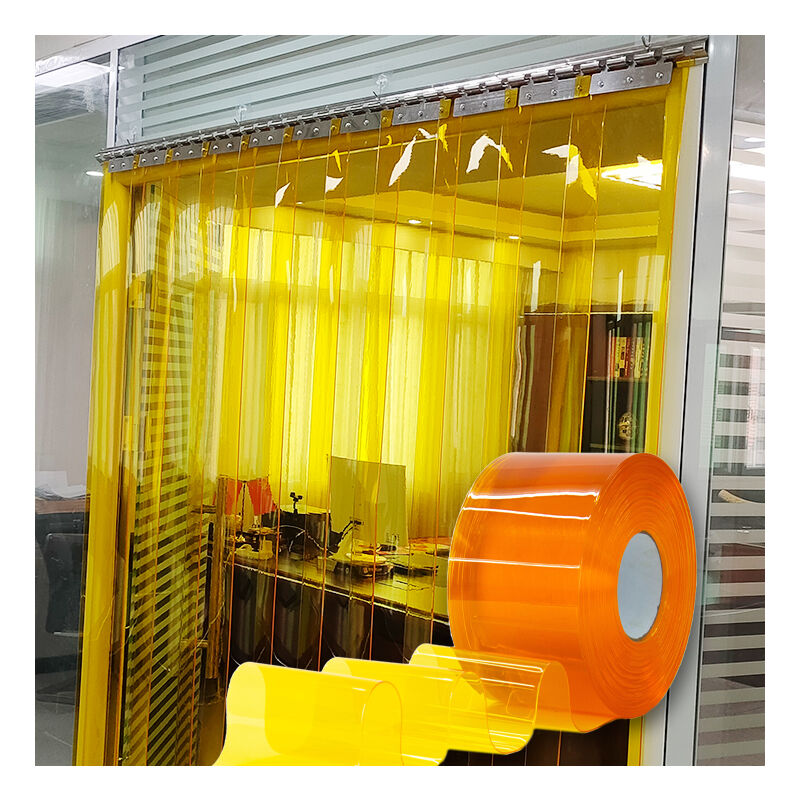
How Insect-Repellent Plastic Strip Curtains Work as a Pest Barrier
What Are PVC Strip Curtains?
PVC strip curtains consist of multiple plastic strips that overlap each other, creating a barrier against flying insects while still letting people and machinery pass through easily. Compared to regular doors, these curtain systems help keep temperatures stable inside buildings and cut down on energy waste by around 30 percent, as found in some recent studies from polymer engineers last year. The way they're built allows for easy installation and adjustment, which is why many food factories, storage centers, and cleanrooms in the pharmaceutical industry rely on them when staff need constant entry points but must maintain strict cleanliness standards throughout operations.
Physical and Chemical Mechanisms That Repel Insects
Insect-repellent plastic strip curtains combine mechanical obstruction and sensory disruption to deter pests:
| Mechanism | Effect on Insects | Example |
|---|---|---|
| Physical Barrier | Blocks entry through overlapping strips | 92% reduction in fly ingress |
| UV Light Blocking | Disrupts insect navigation (flies avoid yellow wavelengths) | 70% fewer insects near yellow PVC curtains |
| Chemical Additives | Repel or eliminate pests on contact | Anti-insect agents in PVC matrix |
A 2023 entomology study found that facilities using yellow PVC strips with UV inhibitors saw 86% fewer pest incidents compared to clear alternatives.
Role of Anti-Insect Additives in Plastic Strip Curtains
Manufacturers incorporate specialized chemicals such as permethrin and pyrethroids right into the PVC material when making it. These substances work against insects' nervous systems while staying safe for people, which has been shown to cut down fly numbers significantly in lab tests over the past few years. Most companies aim for around 0.8 to maybe 1.2 percent concentration of these additives so they last long enough without losing effectiveness too quickly. Typically, such treated materials can keep pests at bay for anywhere from two to five years before needing to replace them with fresh strips.
Scientific Evidence and Real-World Effectiveness in Commercial Settings
Insect Entry Reduction: Data from Food Industry Trials
Research has shown that those plastic strip curtains designed to repel insects really do work against pests getting into places where they shouldn't be. Looking back at a study done in 2022 across nearly 50 different food storage facilities, warehouses that had installed these PVC strips saw about half as many flying insect problems as those keeping their doors wide open according to the Journal of Food Protection. The numbers get even better when we look at poultry processing plants. Their maintenance records indicate almost an 80% reduction in pest sightings each week once these curtains were put up. Thermal imaging technology actually showed how these barriers mess with the air patterns that bugs rely on to find their way around.
Fly Control in Food Processing with Yellow PVC Strip Curtains
PVC strips in yellow really boost their ability to keep pests away because they mess with how insects see things. Studies show that flies basically think yellow areas are empty spaces and steer clear of them altogether according to Pest Management Science from last year. Meat processing facilities that switched to yellow plastic strip curtains instead of regular clear ones saved around eighteen thousand five hundred dollars each year on fixing fly problems. Plus, yellow stops UV light which draws bugs toward it. This matters a lot since nearly three quarters of flies that get into food actually navigate using UV light as per the Entomological Society of America's findings.
Case Study: Reduced Pest Incidents After Installation
One local dairy farm saw warehouse moth problems drop by around 83 percent just three months after putting up those anti-insect strip curtains. Before that, they were spending about $3,200 every month on pesticide fogging treatments which barely worked half the time. The new curtain system offered constant protection without any chemicals getting into the product area. When environmental health folks came for their regular checks, they gave the place a 92 out of 100 compliance rating. That was actually the best score this facility had received since inspections started back in 2015.
Material Design and Color Science: Optimizing Plastic Strip Curtains for Bug Prevention
Choosing the Right Thickness and Material Composition
Insect-repellent plastic strip curtains rely on precise engineering to balance flexibility and pest resistance. Most commercial-grade curtains use 0.5-1.2mm thick PVC blended with additives like UV stabilizers and anti-static agents. A 2023 study in Food Protection Trends found that 1.0mm-thick fiberglass-reinforced PVC strips reduced fly intrusions by 78% in produce warehouses compared to thinner alternatives. Critical design factors include:
- Chemical compatibility: NSF-certified materials for food-safe environments
- Tear resistance: Cross-linked polymer chains to withstand high-traffic areas
- Overlap ratio: 25-30% strip overlap for uninterrupted visual barriers
For optimal installation, research suggests combining reinforced top tracks with galvanized mounts to prevent sagging—a common failure point in humid conditions.
Why Yellow PVC Strips Block UV Light and Deter Insects
Yellow plastic strip curtains exploit insects' phototactic behavior by filtering 97-99% of UV light below 550nm wavelengths—the spectrum most attractive to flies and moths. Laboratory tests show that standard clear PVC transmits 48% more UV radiation than yellow variants, explaining why food facilities using yellow curtains report 63% fewer pest incidents (Entomological Society of America, 2021). This color also improves worker visibility compared to opaque screens while maintaining:
- 85% natural light transmission
- <10% heat gain in refrigerated areas
- 80-kelvin LED compatibility to minimize insect-attracting glare
Advantages and Limitations of Anti-Insect Yellow PVC Curtain Rolls
While yellow PVC strip curtains reduce reliance on pesticides by 91% in dairy plants (2024 survey), their 2-5 year lifespan requires planned replacements. Key tradeoffs include:
| Factor | Advantage | Limitation |
|---|---|---|
| Cost | $0.25-$0.40/sqft vs $1.50+ for air curtains | Higher initial cost than fly screens |
| Installation | 2-hour retrofitting vs weeks for wall mods | Requires millimeter-level alignment |
| Efficacy | Blocks 95% winged insects | Less effective against crawling pests |
A 2024 NEHA report notes that combining these curtains with air knives achieves 99.8% flying pest exclusion in meat processing facilities—a benchmark unattainable with standalone chemical traps.
Comparing Insect-Repellent Strip Curtains to Other Pest Control Methods
Plastic strip curtains provide a unique combination of physical barriers and chemical repellents, but how do they compare to traditional pest control solutions? Let's analyze their safety, effectiveness, and long-term value against conventional methods.
Plastic Strip Curtain vs. Pesticides and Fly Traps: A Safety and Efficacy Comparison
| Method | Prevention Type | Chemical Exposure | Maintenance Needs |
|---|---|---|---|
| Plastic strip curtains | Continuous physical barrier | None | Low (cleaning only) |
| Pesticides | Reactive chemical treatment | High | Weekly reapplication |
| Fly traps | Passive interception | Low | Monthly replacement |
Strip curtains made from plastic do a good job of stopping bugs before they get inside, unlike pesticides which need actual contact with pests and can leave behind unwanted residues. According to a recent study in the pest control field from last year, places that installed these curtain systems saw about 76 fewer cases of accidental chemical exposure than those relying on traditional pesticide methods. Most restaurants and food plants have had problems with this. Fly traps are great for catching insects already inside a space, but they don't stop those first invaders from coming through doors or windows. That's why many food processors now combine different approaches rather than just relying on one method alone.
Sustainability and Long-Term Benefits Over Chemical Sprays
Studies in agricultural sustainability show that plastic strip curtains cut down on those ongoing chemical expenses and slash pesticide runoff by around 83%. Made from tough PVC material, these things typically last anywhere from two to four years without much maintenance needed. Think about it compared to constantly buying new sprays and traps over and over again. Chemical methods just hold off pests for so long, but strip curtains actually tackle the problem at its source. They form this pretty tight seal that works about 30 percent better than regular UV light traps when it comes to keeping out those tiny flying bugs that ruin crops.
Installation, Maintenance, and Lifespan of Insect-Repellent PVC Strip Curtains
Best Practices for Installing and Maintaining Plastic Strip Curtains
Getting the installation right makes all the difference when it comes to keeping pests out and making sure things last longer. Begin by taking careful measurements of those doorways or whatever opening needs coverage. Leave about six inches extra space around each side so there's no room for bugs to sneak through. For spots that get a lot of foot traffic, go with aluminum rails that resist corrosion and stainless steel screws since they handle constant use and weather better than cheaper alternatives. When putting the strips in place, keep them straight up and down without any twists. Also leave roughly an inch between where the sections overlap so everything moves smoothly without getting stuck later on.
Regular maintenance includes wiping strips monthly with a mild soap solution to remove dust and insect-repellent additive residues. For food facilities, biweekly cleaning is recommended to meet hygiene standards. Inspect strips quarterly for cracks or thinning—replace individual strips showing >30% wear to maintain barrier integrity.
| Maintenance Factor | Recommendation |
|---|---|
| Cleaning Frequency | Monthly (biweekly for food industries) |
| Inspection Intervals | Quarterly for cracks/alignment |
| Replacement Threshold | 30% strip wear or visible damage |
Expected Lifespan and Replacement Guidelines
Most insect repelling PVC strip curtains tend to last somewhere between two and five years, though this varies quite a bit based on how much sun they get and what kind of physical stress they endure daily. Places near the coast or in areas with lots of humidity often see these materials break down about 18 percent quicker because salt air or constant dampness messes with the chemicals that keep bugs away according to recent material testing reports from late 2023. It's really important to check those additives every year with some sort of UV light test since the bug protection starts fading long before anyone notices any actual holes or tears in the strips themselves.
Replace full curtain sets when >40% of strips show edge curling or transparency changes—key signs of additive depletion. Rotating strips every 6-12 months (front-to-back) extends service life by 22% by distributing wear evenly. For facilities needing uninterrupted protection, phased replacements (33% of strips quarterly) prevent sudden barrier failures.
Industry installation guides recommend using calibrated tension gauges during installation to avoid overstretching, which prematurely reduces strip elasticity. Properly maintained curtains reduce annual pest control costs by up to $3,200 per doorway, as shown in food warehouse case studies.
FAQ
What are PVC strip curtains used for?
PVC strip curtains are used as barriers against flying insects while allowing people and machinery to pass through easily. They help maintain temperature stability and reduce energy waste.
How do insect-repellent plastic strip curtains work?
Insect-repellent plastic strip curtains work through mechanical obstruction and sensory disruption, using physical barriers, UV light blocking, and chemical additives to repel pests.
How long do insect-repelling PVC strip curtains last?
Insect-repelling PVC strip curtains typically last between two to five years, depending on environmental conditions and daily stress factors.
What are the advantages of yellow PVC strip curtains?
Yellow PVC strip curtains block UV light and disrupt insect navigation, reducing pest incidents while improving worker visibility compared to opaque screens.
Table of Contents
- How Insect-Repellent Plastic Strip Curtains Work as a Pest Barrier
-
Scientific Evidence and Real-World Effectiveness in Commercial Settings
- Insect Entry Reduction: Data from Food Industry Trials
- Fly Control in Food Processing with Yellow PVC Strip Curtains
- Case Study: Reduced Pest Incidents After Installation
- Material Design and Color Science: Optimizing Plastic Strip Curtains for Bug Prevention
- Comparing Insect-Repellent Strip Curtains to Other Pest Control Methods
- Installation, Maintenance, and Lifespan of Insect-Repellent PVC Strip Curtains