 EN
EN

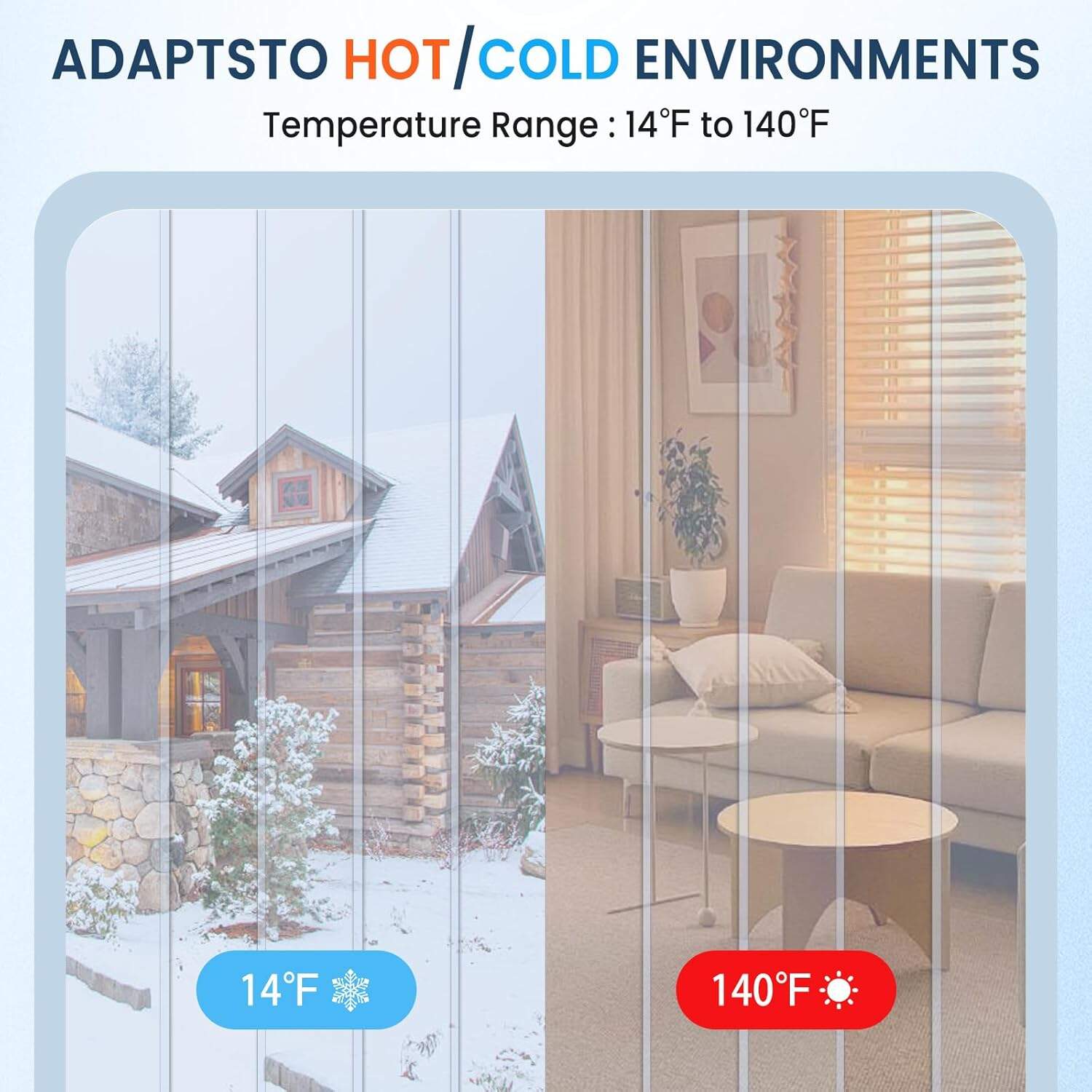
The Science Behind PVC Curtains’ Thermal Insulation Properties
How PVC Acts as an Effective Thermal Barrier
PVC curtains work as dynamic insulators because they form overlapping layers that block air movement yet still let people pass through easily. The material itself has pretty good thermal properties too. At around 0.16 W/mK thermal conductivity, PVC actually stops heat from moving about 30% better compared to regular polyethylene options. What makes these curtains really effective is how they trap pockets of still air between each strip. This breaks up those annoying convective currents we all know so well. Industrial facilities find this especially useful since doors tend to stay open much longer there than anywhere else.
Material Properties: Vinyl’s Resistance to Heat Transfer
Vinyl’s chlorine-based molecular structure provides inherent insulation advantages:
- Density: 1.3–1.4 g/cm³ enhances thermal resistance through material mass
- Infrared Reflectivity: Reflects 40–60% of radiant heat in refrigerated spaces
- Temperature Resilience: Remains flexible from -40°C to +50°C without embrittlement
Properly installed PVC curtains reduce cross-zone heat migration by 27–33% compared to open doorways, significantly decreasing refrigeration compressor cycles.
Optimizing Thickness and Overlap for Maximum Insulation Performance
Peak thermal performance in industrial settings is achieved with:
- 2–3 mm thickness: Balances durability and insulation efficiency
- 6-inch horizontal overlap: Creates an effective airlock in high-traffic areas
- Weighted bottoms: Prevent gaps caused by air pressure differentials
Energy audits show that combining 2mm-thick strips with 50% overlap reduces thermal leakage by 25%, translating to annual savings of $740,000 in large cold storage operations (Ponemon 2023).
Reducing HVAC Load and Improving Cooling System Efficiency
PVC curtains minimize air exchange between temperature-controlled zones and ambient environments, directly reducing the workload on HVAC systems and delivering measurable energy savings across commercial and industrial facilities.
Minimizing Air Infiltration and Stabilizing Indoor Temperatures
When strips overlap in this particular design, they create what amounts to a pretty good air seal, reducing drafts by around 80% when compared with regular open doors according to Thermal Efficiency Journal from last year. The result? Warm outside air stays where it belongs while keeping indoor temperatures between about 15 to maybe even 25 degrees cooler without so much bouncing around as before. With these steadier conditions inside, heating and cooling systems don't have to work quite so hard all the time since there aren't those constant temperature swings messing things up anymore.
How Reduced Air Exchange Lowers Compressor Workload
Every 10% reduction in air infiltration decreases compressor cycling frequency by 18–22% in standard cooling systems. With PVC curtains limiting uncontrolled airflow, compressors maintain stable refrigerant pressures, reducing peak energy draws by 300–500 watts. Facilities typically report 12–15% lower kilowatt-hour consumption per cooling unit after installation.
Energy Audits Showing 20–30% Reduction in HVAC Runtime
Audits of food distribution centers reveal that PVC curtain installations reduce annual HVAC operation hours by 1,200–1,800 at main loading docks. This results in $8,500–$12,000 in energy cost savings per dock door while maintaining ASHRAE-recommended temperature ranges—all without modifying existing HVAC infrastructure.
Energy Savings in Refrigerated and Temperature-Controlled Environments
Preventing Cold Air Loss in Cold Storage and Food Processing Facilities
PVC curtains work really well as thermal barriers at busy doorways where people come and go all day long. They can cut down on cold air escaping by about 80% compared to just leaving doors open. Food processing facilities find them especially useful because these curtains help keep inside temps around minus 18 degrees Celsius to about 4 degrees Celsius. Plus, studies from Cold Chain Institute back this up showing that refrigeration compressors run 35 to maybe even 40 percent less often when using these curtains. What makes them so good is how flexible they are. After someone walks through or equipment passes by, the curtain quickly seals itself again. This stops those annoying temperature jumps that waste so much energy over time.
Case Study: Measurable Energy Cost Reductions in Industrial Cold Rooms
Researchers who looked at cold storage facilities over the course of a year discovered something interesting about PVC curtains. Warehouses that installed these plastic barriers saw their yearly energy bills drop by around 24%. The main reason? Less cold air escaping when trucks loaded and unloaded goods. This meant the heating, ventilation and air conditioning units didn't have to work as hard to keep temperatures at freezing point (-23 degrees Celsius), cutting down their operating time by nearly 30%. For a typical warehouse covering 10,000 square feet, this translated into about $18,200 saved each year. What's even better is that most businesses recouped their initial investment in just under a year and a half.
Application in Pharmaceutical Storage Units Requiring Climate Stability
For vaccine storage and laboratory environments requiring ±1.5°C precision, PVC curtains reduce humidity intrusion by 62% compared to standard strip designs. Their airtight seals support compliance with WHO GSP guidelines for passive thermal control, mitigating condensation-related mold risks. Facilities report 19% fewer HVAC interventions in critical storage zones following installation.
Balancing Energy Efficiency with Operational Accessibility
Maintaining Workflow Efficiency in High-Traffic Industrial Zones
PVC curtains work great for separating areas in factories without getting in the way of day-to-day operations. The material bends easily so forklifts can zip through, workers don't get stuck waiting, and those big pallet jacks still have room to maneuver all while keeping temperatures consistent inside different sections. Factories that see more than 50 vehicles going in and out each day often install these curtain systems with vinyl strips around 1/8 to just under 1/4 inch thick. These setups cut down on air mixing between spaces by roughly 85 percent when compared to leaving doors completely open. Most installers recommend overlapping the horizontal panels by somewhere between three and six inches across the width. This small overlap makes a big difference in cutting heat loss but still lets people and equipment move freely as needed during production runs.
Strategies for Optimizing PVC Curtain Use Without Compromising Access
Three proven strategies maintain operational fluidity:
- Zoned installations – Focus on high-exposure areas like loading docks, leaving low-traffic sections open
- Transparent materials – Use 80% light-transmission vinyl in pathways requiring visual clarity
- Reinforced edges – Incorporate aircraft-grade nylon threading to resist curling from repeated impacts
A 2022 warehouse retrofit study showed that facilities maintained productivity losses under 3% after installation, while reducing monthly HVAC costs by 18%. Regular alignment checks and prompt tear repairs ensure long-term performance in both energy efficiency and workflow continuity.
FAQ
What are PVC curtains?
PVC curtains are flexible plastic barriers typically used in industrial settings to minimize air exchange, control temperatures, and maintain energy efficiency.
How do PVC curtains help with energy savings?
PVC curtains reduce air infiltration and stabilize indoor temperatures, thereby decreasing HVAC loads and resulting in significant energy savings.
Can PVC curtains be used in cold storage facilities?
Yes, PVC curtains are highly effective in preventing cold air loss in cold storage and food processing facilities, ensuring temperature stability and reducing compressor workload.
How do PVC curtains impact workflow in industrial settings?
PVC curtains provide operational accessibility by allowing easy passage for forklifts and workers, thus maintaining workflow efficiency while enhancing temperature control.