 EN
EN

Material Composition: How Clear PVC Differs from Other Transparent Plastics
Chemical Structure and Additives in Clear PVC Strip Curtains
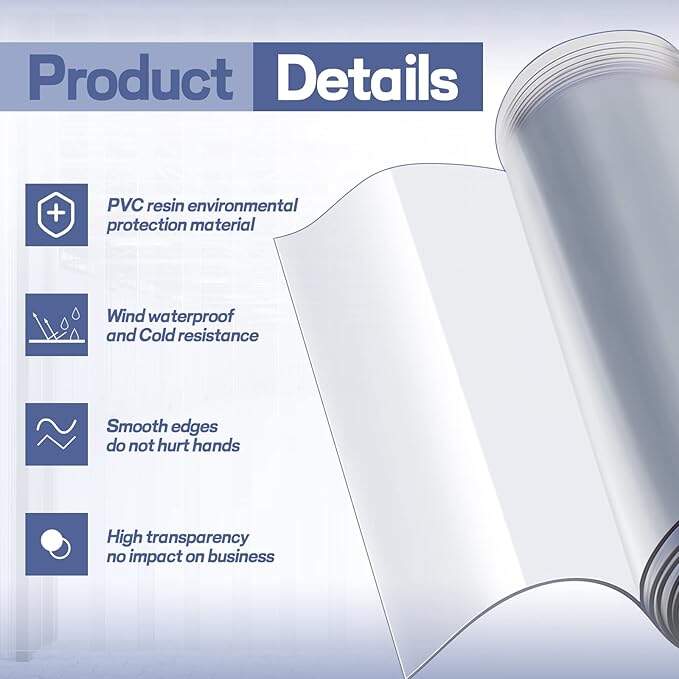
PVC curtains get their name from polyvinyl chloride, basically a mix of carbon, hydrogen, and chlorine atoms. The chemistry here is different than what we find in acrylic materials like polymethyl methacrylate or polycarbonate products since those don't have any chlorine in them at all. That chlorine actually makes PVC curtains more resistant to catching fire and generally tougher stuff overall, though they won't be as clear as acrylic options. Manufacturers know this tradeoff well, so they often throw in plasticizers to keep things flexible while still holding up against tearing. Some formulas can include around 35% plasticizer by weight when making the more bendable versions, striking that balance between pliability and structural integrity that works best for most installations.
To stop yellowing problems in tough industrial settings, manufacturers often add antioxidants and UV stabilizers during production. Standard plastics such as polyethylene and polypropylene just don't work as well for this purpose. What makes PVC stand out is how it plays nicely with various additives, letting engineers tweak properties according to what's needed on site. Take food grade PVC for example. These special formulations come loaded with antimicrobial stuff that helps keep things clean in meatpacking plants and dairy operations. The material does much more than simply look clear through those processing lines too. It actually contributes to safer working conditions while still maintaining that essential transparency operators rely on day after day.
Comparing PVC to Standard Plastic Curtains: Clarity, Flexibility, and Stability
Rigid PVC lets about 85 to 90 percent of light through, which is actually a bit less than what acrylic manages at around 92 percent plus. But when it comes to how well it holds up mechanically, PVC really shines. The material has this amazing ability where strips can be bent all the way back on themselves at 180 degrees without any cracks forming. That's something polycarbonate just can't match since it tends to give way after only about 120 degrees of flexing. And here's another thing worth noting: even in freezing temperatures down to minus 20 degrees Celsius, clear PVC keeps performing reliably for more than 50 thousand impact tests. Compare that to acrylic, which starts showing signs of wear much sooner, usually somewhere around 10 thousand cycles. These characteristics make PVC particularly valuable for applications where both optical clarity and physical durability matter.
PVC stays pretty stable when temperatures range from about minus 15 degrees Celsius all the way up to around 60 degrees. Polypropylene tells a different story though it starts to warp once things get warmer than 40 degrees. Some recent research looking at materials in cold storage facilities showed something interesting too. After sitting in those freezing warehouses for five whole years, PVC still had about 95 percent of what it started with in terms of flexibility. Regular plastics weren't doing so well by comparison, only keeping about 70% of their original properties. What really stands out about clear PVC is how transparent it stays even in harsh conditions. Combine that with its ability to handle extreme cold and resist chemicals, and it becomes obvious why these curtain systems work so well in places where maintaining specific temperatures is absolutely critical.
Performance Characteristics: Transparency, Durability, and Environmental Resistance
Optical Clarity and Light Transmission in Clear PVC Curtains
PVC curtains that are clear transmit more than 92 percent of available light and won't turn yellow because they have special UV stabilizers built right into them. Regular plastic materials tend to break down when exposed to sunlight for long periods, but good quality PVC stays transparent and looks great for around five to eight years even in tough industrial environments. A recent study at a logistics center back in 2023 showed something interesting too. After going through about 30 thousand door openings and closings, the curtains still had 89 percent transparency left. That kind of durability makes them really well suited for places where people need to see clearly all the time and where safety is a major concern.
Impact, UV, and Temperature Resistance in Industrial Settings
Clear PVC curtains are built to handle tough environments, working well across temperatures ranging from minus 40 degrees Fahrenheit all the way up to 160 degrees. These curtains outperform both acrylic and polycarbonate options when it comes to impact resistance in cold storage areas by roughly 35%. The special plastic mix gives them just the right amount of give (around Shore A 80-90 on the hardness scale) while still standing up to tears, which means they last about four times longer than regular plastic curtains in high traffic manufacturing settings. Food processors especially benefit from this material since PVC stands up against oils and cleaning chemicals so well that replacements happen about 60% less often. This translates into fewer production interruptions and better adherence to safety standards in facilities where downtime can be costly.
Industrial Applications of Clear PVC Curtains
Warehouse and Cold Storage Use: Energy Efficiency and Traffic Separation
Clear PVC curtains in cold storage warehouses can cut energy bills by around 30% because they stop heat from escaping while still letting staff and forklifts move through freely. The way these curtains are built allows different temperature zones to coexist without mixing. For instance, frozen sections at -18 degrees Celsius stay separate from chilled areas kept at about 4 degrees. Compared to regular doors, these flexible barriers close quickly behind people passing through, so less cold air escapes and operations keep running smoothly. Plus, since they let in about 85% of available light, workers can see clearly even when loading docks aren't brightly lit, which makes safety easier to maintain during those early morning deliveries.
Food Processing and Manufacturing: Hygiene and Compliance Benefits
Clear PVC curtains are commonly used in food production settings because they block out airborne contaminants, stop moisture from getting through, and keep grease at bay while still allowing workers easy access to the area. The anti static versions really cut down on dust buildup, which matters a lot in places like flour mills or snack packaging facilities where fine particles can be a problem. These curtains typically come in around 2mm thickness and hold up pretty well during those regular high pressure wash downs that are part of daily cleaning routines. Some special antimicrobial coatings have been shown to slash microbial growth somewhere between 50% to 70% when compared against standard plastic curtains. For this reason, many manufacturers in pharmaceutical cleanrooms and sterile packaging operations prefer these upgraded versions despite the higher initial cost.
Installation, Maintenance, and Longevity of PVC Strip Curtains
Easy Installation and Modular Design for Operational Efficiency
Installing clear PVC curtain systems takes no time at all with basic tools like drills and spirit levels on hand. Most kits come with pre-cut strips and adjustable brackets that make assembly straightforward even for someone without much experience. The modular nature means when part gets damaged, only that section needs replacing rather than the whole system. This makes them great for busy places like warehouse doors or factory production areas where every minute counts during operations. What sets PVC apart from other materials is how flexible it stays after installation. It bends around those tricky irregular door frames yet still keeps about 85 to 90 percent visibility through the panels. Many businesses find this combination of adaptability and transparency gives them real advantages compared to stiffer options on the market.
Cleaning Practices and Preserving Clarity Over Time
Keeping things clean regularly with pH neutral cleaners helps avoid those annoying cloudy spots and greasy film that builds up so fast in places like meat packing plants or auto repair shops. When stubborn grime just won't come off, many technicians swear by wiping down surfaces with 70% isopropyl alcohol. It clears stuff away pretty well without messing with whatever makes the plastic stay flexible over time. Most manufacturers suggest sticking to their maintenance schedule because it really does make a difference. Equipment tends to last around two to three extra years when properly cared for, and some big factories report getting anywhere from eight to twelve good years out of their surfaces before needing replacement.
Cost-Effectiveness and ROI of Clear PVC Curtains vs. Alternatives
Clear PVC curtains offer significant financial advantages over other transparent barriers, with 40–60% lower initial costs than insulated partitions (Industrial Materials Journal 2023). Their long-term value is reinforced by 18–35% annual energy savings in climate-controlled spaces like cold storage, driven by improved thermal retention.
Upfront Costs Compared to Long-Term Savings
Installed costs for clear PVC range from $12–$25 per square foot, while standard transparent plastic alternatives cost $18–$40 due to greater thickness and structural demands. The return on investment grows further when factoring in:
- Reduced HVAC strain from consistent temperature control
- Minimal maintenance needs–PVC lasts 4–7 years with routine care versus quarterly replacements for standard plastics
- Energy rebates available in many regions for installing efficient barrier systems
Lifecycle Analysis: When PVC Outperforms Standard Transparent Plastics
| Factor | Clear PVC Curtains | Standard Transparent Plastics |
|---|---|---|
| Lifespan | 5–8 years | 1–3 years |
| Degradation Rate | <2% clarity loss/year | 8–12% clarity loss/year |
| Replacement Costs | $0.20–$0.50/sq ft/year | $1.10–$1.80/sq ft/year |
| Temperature Tolerance | -40°F to 160°F | 20°F to 120°F |
Over a decade, field data shows clear PVC curtains deliver 72% lower total ownership costs. Their durability is especially valuable in high-traffic manufacturing sites, where standard plastic curtains often fail within 18 months.
Frequently Asked Questions
What are clear PVC curtains made of?
Clear PVC curtains are made of polyvinyl chloride, which includes carbon, hydrogen, and chlorine atoms that enhance its durability and flame resistance.
How do clear PVC curtains perform in cold temperatures?
Clear PVC curtains perform exceptionally well in cold temperatures, maintaining their flexibility and structural integrity even down to minus 40 degrees Fahrenheit.
Why are clear PVC curtains used in food processing environments?
They block out contaminants, prevent moisture, and control grease, while also providing antimicrobial properties to maintain hygiene standards.
What is the expected lifespan of clear PVC curtains?
Clear PVC curtains typically last between 5 to 8 years with proper maintenance, providing a lower degradation rate compared to standard plastics.
Table of Contents
- Material Composition: How Clear PVC Differs from Other Transparent Plastics
- Performance Characteristics: Transparency, Durability, and Environmental Resistance
- Industrial Applications of Clear PVC Curtains
- Installation, Maintenance, and Longevity of PVC Strip Curtains
- Cost-Effectiveness and ROI of Clear PVC Curtains vs. Alternatives
- Frequently Asked Questions