 EN
EN

Material Composition and Clarity Mechanisms
Why 'Clear PVC Curtain' Relies on Plasticized PVC Polymer Chemistry
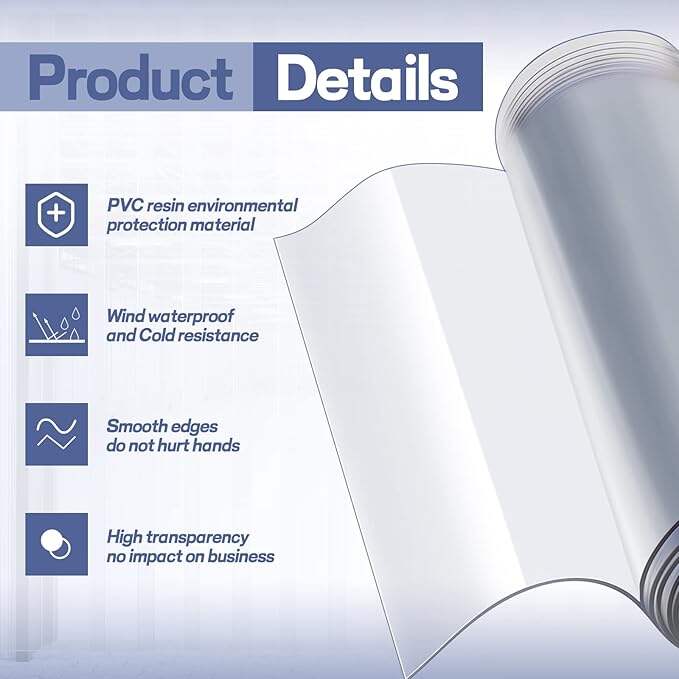
What makes clear PVC curtains so flexible yet see-through? The answer lies in the plasticizers mixed into the material during production. Regular plastics have tightly packed molecules, but PVC contains special additives like phthalates or their safer alternatives that actually loosen these molecular bonds. This simple chemical trick lets the material stay crystal clear even when bent or flexed. Tests show it can transmit over 90% of light while staying tough enough not to crack in freezing temperatures below -30 degrees Celsius. And there's barely any cloudiness either, less than 5% according to standard testing methods. That level of clarity matters a lot in warehouses where forklift operators need to see clearly around corners or inspectors must spot defects without visual interference. Most other materials just can't match this combination of strength and transparency, which is why many facilities stick with PVC despite the availability of different options on the market.
How Generic Transparent Plastics (PET, Polycarbonate, Acrylic) Differ in Structure and Use Cases
Materials like PET, polycarbonate, and acrylic just don't have what it takes for curtain work. Take PET for instance its semi crystalline structure gives good tensile strength but gets really brittle when temps drop below freezing point which is why it won't work well in cold storage environments. Polycarbonate stands out for being tough against impacts but has a major weakness when exposed to sunlight for extended periods. Over time, it starts turning yellow and loses its clear appearance. Acrylic or PMMA as it's technically called looks great at first with excellent transparency but scratch resistant? Not so much. It tends to crack after repeated stress tests. These materials are better suited for fixed installations like protective shields, signs, or display boxes where movement isn't expected. When looking at curtain systems that need to handle heavy foot traffic across varying temperatures while maintaining their shape and clarity, PVC remains the go to choice thanks to its special plasticizing properties that make it stand up to wear and tear without losing optical quality.
Performance Comparison: Durability, Temperature Resilience, and Hygiene
Cold Chain & High-Traffic Environments: Clear PVC Curtain Flexibility vs. Rigid or Brittle Plastic Alternatives
PVC curtains made with special additives actually work better than stiff materials in tough conditions where temperatures drop really low. Most PET and acrylic materials get brittle when it gets colder than about -20 degrees Celsius (-4 Fahrenheit), but good quality industrial PVC stays tough even at minus 40 degrees Celsius. That makes all the difference in places like frozen storage facilities and refrigerated transport systems. The material doesn't crack when hit by forklifts or those heavy pallet jacks, so companies end up replacing them much less often compared to the brittle alternatives some might choose. Around 70% fewer replacements over time adds up to real money saved. Plus there's this neat property called memory effect that lets the material bounce back quickly after being squashed flat. No lasting damage happens even in areas where doors open and close constantly throughout the day at loading bays or factory entry points.
Cleanability and Microbial Resistance: FDA-Compliant Clear PVC Curtain Advantages in Food and Pharma Settings
PVC surfaces that are non porous and uniformly structured make it really hard for microbes to stick around or form those pesky biofilms. Tests show these surfaces retain about 99.9% fewer pathogens compared to the rougher or layered plastic options out there. The FDA approved versions can handle all sorts of harsh industrial cleaners without breaking down chemically. We're talking stuff like quats and chlorine solutions at concentrations as high as 500 parts per million. These surfaces stay clear and clean looking even after going through over 200 cleaning sessions. For food processors dealing with meats, pharma companies needing sterile zones, and anyone working in cleanrooms, this kind of performance makes meeting those strict HACCP and GMP standards much easier. Regular old coated or layered materials just don't cut it because they tend to peel away when subjected to high pressure sprays. With PVC's solid construction, there's no risk of layers separating and creating hiding spots where contaminants could lurk unnoticed.
Optical Performance and Real-World Visibility Requirements
Haze, Luminous Transmittance, and UV Stability: Why Clear PVC Curtain Delivers Superior Clarity Over PE or LDPE Curtains
How well something can be seen matters a lot for safety in factories and warehouses because poor visibility leads to accidents and slower reactions when things go wrong. Clear PVC curtains perform really well on three main tests: they have less than 5% haze, let through over 90% of light, and hold up against UV damage. Regular PE and LDPE curtains usually have more than 15% haze, making it hard to see movements clearly and judge distances properly. These cheaper options only transmit around 80% of light at best. What makes PVC special is that it comes with UV protection already built in. This stops the material from turning yellow or getting brittle over time. After several years outside, PVC still keeps about 95% of its original transparency. LDPE starts to look bad within just 6 to 12 months if left in direct sunlight near loading areas. Better visibility means fewer hazards along paths where forklifts operate and around assembly lines. Research from warehouse safety reports actually shows accident rates drop by as much as 27% when these clearer, higher transmitting barriers are installed instead of standard ones.
Regulatory Fit and Application-Specific Selection Criteria
Choosing the right barrier material really comes down to matching what the material can do with what regulations require and what operations actually need. Food processors, pharma companies, and those working in USDA certified facilities often turn to clear PVC curtains because they typically satisfy both FDA 21 CFR 177.2410 and NSF/ANSI 51 standards for touching food directly. These materials have built-in resistance against microbes and stay stable chemically even under tough conditions. Regular transparent plastics such as PET or polycarbonate just don't carry those same approvals, so they end up being used mostly for things like store window displays or temporary room dividers where food contact isn't an issue. In freezing warehouses that operate between minus 30 degrees Celsius and plus 10 degrees, PVC remains flexible enough to avoid cracking when it gets cold something that happens all too often with stiffer materials. Plus, since PVC lets through over 90% of visible light, warehouse staff can still see clearly around forklifts moving through busy areas. Anyone looking at different options should definitely put these factors at the top of their list.
- Compliance scope: Confirm industry-specific certifications (e.g., FSSC 22000, ISO 22000, or USP <88> for pharmaceutical use)
- Environmental stress: Account for temperature volatility, impact frequency, and sanitizer exposure intensity
-
Visibility needs: Specify low-haze (<5%) materials in safety-critical pathways where real-time observation is mandatory
Match the curtain’s technical specifications—not just its appearance—to your facility’s hazard analysis, workflow intensity, and regulatory audit requirements.
FAQ
Why are clear PVC curtains preferred over other plastic options?
Clear PVC curtains are preferred due to their flexibility, clarity, and durability. They transmit over 90% of light and remain tough in freezing temperatures, which is ideal for industrial settings.
How do clear PVC curtains compare to PET, polycarbonate, and acrylic materials?
Clear PVC curtains offer superior flexibility and UV stability, whereas PET, polycarbonate, and acrylic can become brittle or discolored over time and are suited for fixed installations rather than dynamic applications.
What makes clear PVC curtains suitable for food and pharmaceutical environments?
PVC curtains have non-porous surfaces that resist microbial growth and can withstand harsh cleaning agents, making them ideal for cleanrooms and settings that demand high hygiene standards.
How do clear PVC curtains improve warehouse safety?
By maintaining low haze levels and high light transmittance, clear PVC curtains enhance visibility, reducing accidents and improving real-time observation in safety-critical pathways.