 EN
EN

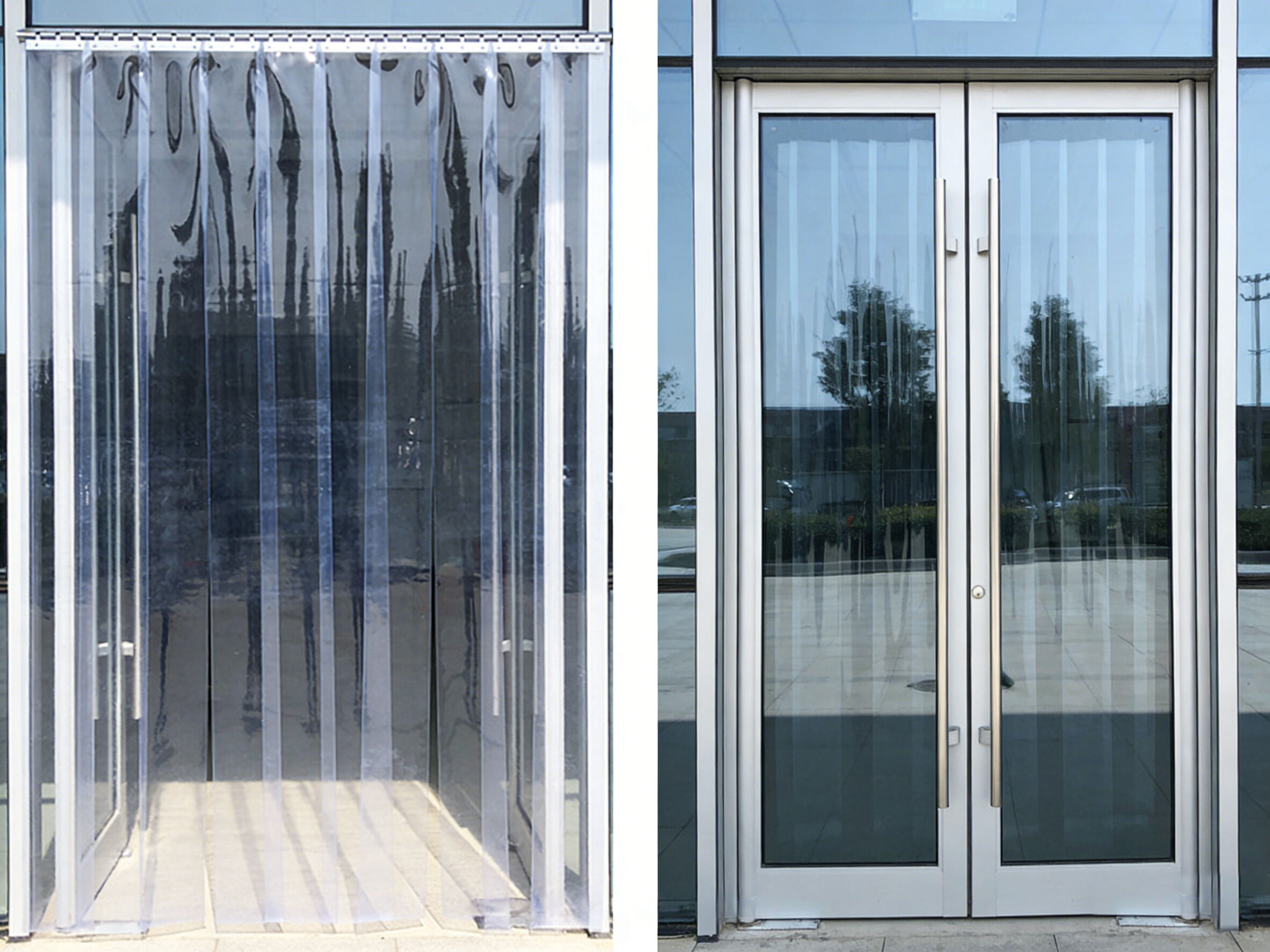
Impact Resistance and Safety: Why Clear Plastic Sheets Excel in High-Risk Environments
Polycarbonate and acrylic impact strength vs. tempered glass: Real-world metrics and ASTM test benchmarks
When it comes to impact resistance, polycarbonate sheets really stand out. Tests show they can handle up to 250 times more force than regular glass according to ASTM D256 Izod standards. Acrylic isn't far behind either, taking about 10 to 17 times the impact energy that glass would before breaking. Tempered glass tells a different story altogether. Once it hits around 24 MPa of stress, it tends to shatter completely. Polycarbonate and acrylic materials work differently though. Their molecules actually absorb and spread out the force, which helps maintain their overall structure even after strong impacts. Looking at real world performance, polycarbonate can take hits equivalent to about 400 foot-pounds of force, similar to what might come from debris during a hurricane. Acrylic manages to resist damage at levels around 17 kJ per square meter without developing cracks. These characteristics make them excellent choices for things like protective industrial guards, barriers designed to withstand explosions, and safety enclosures in areas with heavy foot traffic.
Non-shattering behavior and reduced injury liability—critical for public, healthcare, and educational facilities
When clear plastic sheets break, they tend to crack into dull pieces instead of creating those dangerous razor-like shards we see with glass. Third party safety tests actually show this cuts down on cuts by around 80%. The way these materials behave matters a lot in places where people's safety is critical. Hospitals worry about keeping their operating rooms free from floating particles after breaks happen. Schools need to protect kids playing outside from potential injuries. Transit stations are concerned too since sudden shattering could lead to accidents during rush hour crowds. Regular tempered glass tends to produce something like 5,000 jagged bits per square meter when it fails. But plastics like polycarbonate and acrylic hold together better when stressed out, which helps meet those important OSHA 1910.23 requirements for walkways and guardrails at higher levels.
Weight, Fabrication, and Installation Efficiency of Clear Plastic Sheets
50–70% lighter weight: Lower shipping costs, simplified handling, and reduced structural reinforcement needs
Clear plastic sheets typically weigh between half and three quarters what similar thickness glass would weigh, which translates into real cost savings throughout the entire project. Shipping expenses alone fall somewhere around twenty to forty percent when using standard weight based shipping calculations. Workers find on site handling much safer too since these materials are lighter to move around, meaning fewer people are needed during transportation and setup. The lighter weight also means there's usually no need for expensive structural upgrades like additional steel frames or reinforced foundations when installing things such as skylights, awnings, or room dividers. According to various industry reports, these advantages can cut down overall installation costs by nearly a quarter in many cases, particularly noticeable in older buildings where the current support systems simply cannot handle heavier loads.
On-site adaptability: Cutting, drilling, bending, and thermoforming without specialized glass tools or labor
Clear plastic sheets work much better than glass when it comes to making quick changes right in the workshop with standard tools. A regular saw will get clean cuts for whatever shape is needed. Drill bits punch through without leaving chips around the edges. And if someone needs to bend it or form it into something specific, just apply some heat carefully and it bends right where wanted. This kind of adaptability really speeds things up on job sites like stores getting new displays installed, factories setting up temporary walls, or buildings undergoing renovations where plans sometimes change halfway through installation. What used to take several days working with glass - sending samples away for templating then waiting for them to come back - can now be done within a few hours using plastic. Labor expenses drop somewhere between 15% to maybe even 30%, which makes all the difference when budgets are tight and clients want their projects finished fast without breaking the bank.
Optical Performance and Environmental Durability of Clear Plastic Sheets
Clarity, UV transmission, and yellowing resistance: Acrylic vs. polycarbonate vs. glass across 5+ year lifespans
How well something lets light through really affects how it works in things like windows, signs, and daylighting setups. Acrylic is pretty much number one here with around 93% light getting through, which beats out polycarbonate at 88% and regular glass at 90%. What makes acrylic stand out is that it doesn't turn yellow over time either. After being outside for five whole years straight, most acrylic still keeps over 90% of its clear look. Polycarbonate without any special treatment starts breaking down after just 2 to 3 years under full sunlight, so manufacturers have to add UV stabilizers if they want it to stay transparent longer. Regular glass doesn't protect against UV rays at all actually, letting those damaging wavelengths pass right through. This can cause nearby materials to break down faster than normal. For projects where keeping things clear matters over many years, like greenhouses or museum display cases, acrylic tends to be the go to material because of these properties.
Weathering, scratch resistance, and coating options that extend optical performance in architectural and signage applications
Durability in real world conditions depends on getting the right mix between scratch resistance, weather proofing, and handling UV damage. Acrylic materials have pretty good scratch resistance because of their Rockwell M90 hardness rating, although they still need those UV filtering topcoats when installed in places like tropical climates or up high where sun exposure is intense. Polycarbonate is great for impacts but not so much for scratches since it's softer on the surface. That means these materials require protection on both sides with special coatings that block UV rays and resist scratching to avoid cloudiness and wear over time. Some of the newer hard coat treatments actually make signs last about 40% longer in busy areas where people constantly touch them. When dealing with harsh environments near coasts or inside factories, manufacturers turn to hydrolysis resistant versions that stand up better against salt air and chemicals. These are the top performers currently available on the market according to industry standards.
| Material | UV Resistance (Uncoated) | Scratch Resistance | Optimal Coating Solution |
|---|---|---|---|
| Acrylic | High (inherent) | High | UV-filtering topcoat |
| Polycarbonate | Low | Low | Dual-sided UV+scratch guard |
| Glass | None | Moderate | Non-applicable |
Total Cost of Ownership: Evaluating Clear Plastic Sheets for Commercial and Industrial Use
When selecting transparent materials, businesses must look beyond initial purchase prices to evaluate true long-term expenses. Clear plastic sheets typically cost 30–50% less than tempered glass upfront, with material savings amplified by reduced shipping, handling, and structural support requirements. Key TCO drivers include:
| Cost Factor | Clear Plastic Sheets | Tempered Glass |
|---|---|---|
| Material Cost (per sq.ft) | $2–$12 (varies by polymer) | $15–$30+ |
| Installation Labor | 20–40% lower | Requires specialized crews |
| Breakage Replacement | Rare (high impact resistance) | 5× more frequent (Pinnacle 2023) |
| Lifespan Maintenance | Simple cleaning; optional coatings | Frequent re-sealing/grouting |
The amount of material wasted during fabrication definitely hits the budget harder than most people realize. Acrylic tends to leave around 8% as scrap while PVC alternatives only produce about 3%, but many still prefer acrylic for its better light transmission properties in high end projects. When it comes to polycarbonate, what really stands out is how tough it is against accidents. Facility managers have told us they spend roughly 72% less on incidents involving polycarbonate compared to regular glass according to SafetyFirst research from last year. Looking at things over a typical ten year period, all these factors together can save anywhere between 40 to 60 percent on overall costs. Retail stores, hospitals, and transit hubs especially benefit from this because their operations depend so much on meeting safety standards, how often repairs are needed, and keeping everything running smoothly without unexpected downtime that affects profits.
FAQs
What makes polycarbonate and acrylic better than tempered glass for impact resistance?
Polycarbonate and acrylic can absorb and disperse impact forces more effectively, preventing shattering, unlike tempered glass which tends to break under stress.
Are clear plastic sheets safer in public and healthcare environments?
Yes, clear plastics like polycarbonate and acrylic crack into dull pieces rather than sharp shards, significantly reducing injury risks in high foot traffic areas.
How do clear plastic sheets contribute to cost savings?
They are lighter, reducing shipping and installation costs, require less structural support, and have lower breakage replacement needs, leading to lower total cost of ownership.
Which has better long-term clarity, acrylic or polycarbonate?
Acrylic offers the best long-term clarity and yellowing resistance, maintaining over 90% transparency after extended outdoor exposure compared to untreated polycarbonate.
Can clear plastic sheets be easily customized on-site?
Yes, they can be cut, drilled, and bent without specialized tools, allowing for quick adaptations during installations.
Table of Contents
- Impact Resistance and Safety: Why Clear Plastic Sheets Excel in High-Risk Environments
- Weight, Fabrication, and Installation Efficiency of Clear Plastic Sheets
- Optical Performance and Environmental Durability of Clear Plastic Sheets
- Total Cost of Ownership: Evaluating Clear Plastic Sheets for Commercial and Industrial Use
-
FAQs
- What makes polycarbonate and acrylic better than tempered glass for impact resistance?
- Are clear plastic sheets safer in public and healthcare environments?
- How do clear plastic sheets contribute to cost savings?
- Which has better long-term clarity, acrylic or polycarbonate?
- Can clear plastic sheets be easily customized on-site?