 EN
EN

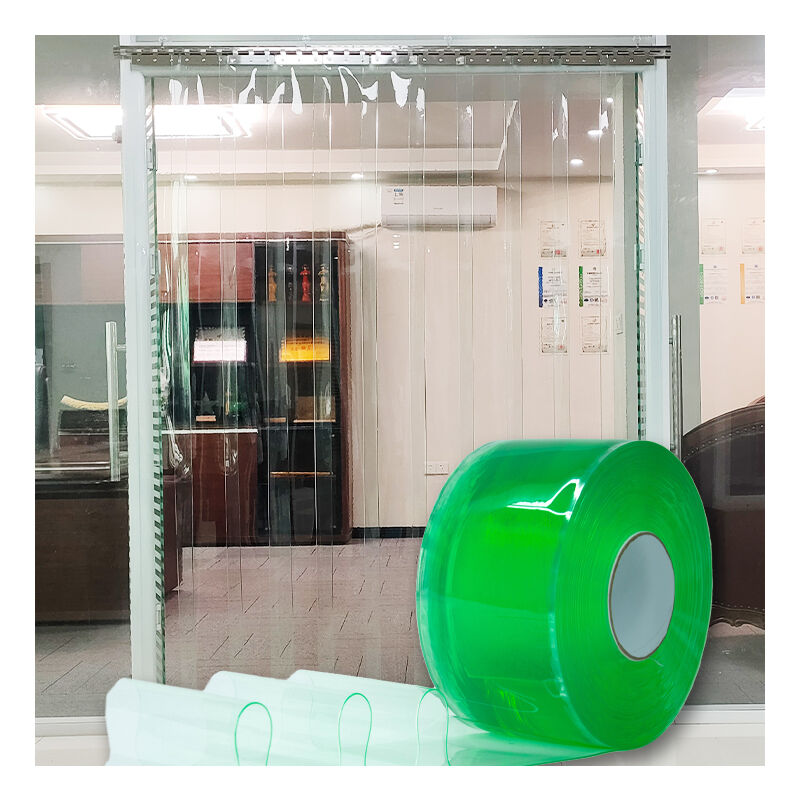
Pse Curtains-të prej shiritash plastike anti-statike janë të domosdoshme për cleanroom-et që janë të ndjeshëm ndaj ESD
Shpërkimi elektrostatik (ESD) paraqet rreziqe të mëdha në ambiente të ndjeshme, me studime industriale që tregojnë se dëmtimet e lidhura me ESD kushtojnë prodhuesve mbi 740.000 dollarë amerikanë çdo vit (Ponemon 2023). Curtains-të prej shiritash plastike anti-statike zvogëlojnë këto rreziqe përmes inxhinierisë së veçantë të materialeve, duke bërë që ato të jenë pengesa të pakomprometueshme në cleanroom-et ku përpunohen elektronikë, barna ose instrumente me saktësi të lartë.
Si rezistencat sipërfaqësore (10⁶–10⁹ Ω) lejojnë shpërndarjen e sigurtë të statikut pa shkaktuar ndërprerje
Materialet brenda këtij intervali optimal të rezistivitetit drejtojnë gradualisht ngarkesat statike drejt tokës pa shkarkime të papritura. Kjo shpërndarje e kontrolluar parandalon shpërthimet që mund të ndezin avujt e ndezshëm ose të dëmtojnë mikroçipat, duke shmangur njëkohësisht interferencën elektromagnetike që pengon pajisjet e ndjeshme.
ESD kundrejt Anti-Statik: Qartësimi i sjelljes së materialeve dhe kërkesat për përputhshmëri me ASTM D257
Edhe pse shpesh ngatërrohen, vetitë ESD dhe anti-statike ndryshojnë themelorisht:
- Materialet anti-statike rezistojnë ngarkimit triboelektrik (p.sh., ngarkesës larg ) përmes trajtimeve të sipërfaqes
- Materialet e sigurta kundrejt ESD i japin përparësi shpërndarjes së sigurt të ngarkesës eliminimi kur ekziston statikja
Zbatimi i ASTM D257 verifikon të dyja vetitë duke testuar rezistencën sipërfaqësore (10⁶–10⁹ Ω për klasifikimin anti-statik) dhe shpejtësinë e zvogëlimit të ngarkesës (<2,0 sekonda nga 5 kV në 500 V). Kjo verifikim i dyfishtë siguron performancë të besueshme në ambientet dinamike të dhomave të pastërt.
Dizajn i optimizuar për dhomat e pastërt të tendave plastike anti-statike
Sipërfaqe e lëmuar, që nuk çliron grimca; armaturë prej çeliku inox dhe përshtatshmëri me ndryshimin e shtypjes
Në dhomat e pastërt të klasifikuara sipas ISO, gjenerimi i grimcave paraqet rreziqe të barabarta me shkarkimin elektrostatik. Formulimet speciale të PVC-së sigurojnë që sipërfaqet të mbeten të lëmuara dhe të paçliruara—duke rezistuar protokolleve rigorozë të pastrimit me agjentë gjenocidë pa u degraduar apo pa çliruar grimca që mund të dëmtojnë proceset e industrisë së semikonduktorëve ose të farmacisë. Armatura përdor ekskluzivisht çelik inox të grada 304/316 për të rezistuar korrozionin nga pastruesit antimikrobialë, duke eliminuar nxjerrjen e metaleve dhe kontaminimin me rëndësirë.
Me rëndësi, këto tenda ruajnë integritetin e shtypjes përmes trashësisë së optimizuar të gauge (zakonisht 0,25 mm–2,0 mm), duke zvogëluar rezistencën e rrjedhës së ajrit me ≤80% në krahasim me tendat industriale standarde. Kjo ruan rrjedhën laminare unidireksionale ndërkohë që lejon diferenciat e shtypjes në ajroqelqet—duke parandaluar zonat e kontaminimit të përzier të shkaktuara nga turbulenca. Me retensionin e grimcave të zvogëluar në <0,1% sipas ASTM F3289, kjo dizajnimi ruan numërimet e grimcave ISO 14644-1 pa komprometuar sigurinë kundër statikut elektrik (ESD).
Verifikimi i Performancës: Ekuilibrimi i Kontrollit të Statikut dhe Kontrollit të Grimcave në Ambiente me Klasifikim ISO
Tendat e shiritave plastike kundër statikut elektrik nënshtrohen verifikimit rigoroz për të parandaluar njëkohësisht rreziqet e shpërblyerjes elektrostatike (ESD) dhe për të ruajtur integritetin e grimcave në ambiente kritike—një kërkesë me dy funksione që është e pakomprometueshme për ambientet e pastërta sertifikuar ISO, ku kontrolli i kontaminimit ndikon drejtpërdrejt në cilësinë e produktit.
Përmbushja e kufijve të grimcave në ajër sipas standardit ISO 14644-1, duke ruajtur funksionalitetin shpërndarës
Këto tenda duhet të arrijnë rezistencën sipërfaqësore në mes të 10⁶–10⁹ Ω (sipas ASTM D257) për të shpërndarë ngarkesat në mënyrë të sigurtë pa komprometuar pastërtinë e ajrit. Prodhuesit kryejnë testime për emisionin e grimcave në kushte me lëvizje të madhe për të verifikuar përputhjen me kufijtë specifikë të klasës ISO 14644-1:
- Klasa ISO 5 : ≤ 3 520 grimca/m³ (≥0,5 µm)
- Klasa ISO 7 : ≤ 352 000 grimca/m³ (≥0,5 µm)
Formulimet e materialeve që nuk shkëlqejnë parandalojnë çlirimin e mbeturinave mikroskopike gjatë lëvizjes së shiritave—duke siguruar mbrojtje të vazhdueshme kundër rreziqeve statike dhe ndotjes në ajër.
Dimensionet e shiritave, opsionet e ngjyrave dhe specifikimet higjenike për përdorim në industrinë farmaceutike dhe në atë të semikonduktorëve
Konfigurimet specifike për industrinë adresojnë nevoja operative të ndryshme, duke ruajtur kontrollin e statikut elektrik (ESD) dhe të grimcave:
| Specifikimi | Kërkesat farmaceutike | Kërkesat për Semikonduktorët |
|---|---|---|
| Trashësia | 1,2–2,0 mm (rezistencë ndaj goditjeve) | 0,8–1,5 mm (kalim i frekuencave të larta) |
| Ngjyrat | Blu (kontrast vizual), I qartë (dukshmëri) | I zi me shpërndarje statike, I qartë (stabilitet ndaj UV) |
| Higjiena | Sipërfaqe jo-porozë, përshtatshmëri me sistemin CIP | PVC kimikisht inerti, dalje minimale e gazrave |
Skajet të rrugullta dhe armaturat mbështetëse prej çeliku inox eliminonin trupat e huaj, duke plotësuar standardet cGMP dhe SEMI. Validimi nga palë të treta konfirmon efikasitetin 99,97% të mbajtjes së grimcave gjatë testimeve të qëndrueshmërisë me më shumë se 50 000 cikle.
Zbatime në botën reale të perdeve plastike anti-statike në industritë kritike
Studim rasti: Hyrja e fabrikës së semikonduktorëve ISO 7 me perde plastike anti-statike PVC me trashësi 1,5 mm
Në instalimet e prodhimit të semikonduktorëve—ku një ngjarje e vetme ESD mund të shkatërrojë mikroçipat me vlerë mbi 500.000 $ (Shoqata ESD, 2023)—kurtinat e plastikës antistatike me shiritë shërbejnë si mbrojtje në linjën e parë. Në hyrjen e një fabrike të sertifikuar ISO 7, inxhinierët instalanë kurtina PVC antistatike me trashësi 1,5 mm për të ruajtur nivelin e grimcave nën 352.000 grimca/m³, ndërkohë që menaxhojnë lëvizjen e personelit. Rezistenca e sipërfaqes së materialit (10⁶–10⁹ Ω) neutralizon sigurisht statikun nga këmbët dhe karrocet pa shpërndarë rrjedhën laminare të ajrit—gjë e rëndësishme kur përpunohen disqet që janë të ndjeshme ndaj shkarkimeve sa të ulta sa 5 V. Të dhënat pas instalimit treguan një zvogëlim 68% të incidenteve ESD pranë portave ajrore, ndërsa numri i grimcave mbeti vazhdimisht brenda kufijve të kërkesave ISO 14644-1. Shiritë me ngjyrë blu ofruan gjithashtu kontrast vizuel për monitorimin e kontaminimit në ambientet e pastër me dritë të ulët.
Pyetje të shpeshta
Cili është qëllimi i kurtinave antistatike prej plastike me shiritë në ambientet e pastër?
Kurtinat e shiritave plastike antistatike parandalojnë çlirimin elektrostatik (ESD) dhe zvogëlojnë kontaminimin me grimca në mjedise të ndjeshme, duke bërë që ato të jenë kritike për dhomat e pastërtisë të përdorura në elektronikë, farmaci dhe prodhimin e saktë.
Çfarë do të thotë rezistiviteti i sipërfaqes 10⁶–10⁹ Ω?
Ky interval siguron që ngarkesat statike të shpërndahen gradualisht pa shkaktuar çlirime të papritura, të cilat mund të dëmtojnë pajisje të ndjeshme ose të ndezin substancat e ndezshme.
Si ndryshojnë kurtinat antistatike nga kurtinat e zakonshme PVC?
Kurtinat antistatike janë projektuar për të shpërndarë elektricitetin statik dhe për të parandaluar ngarkimin triboelektrik. Ata gjithashtu plotësojnë standarde të rrepta ISO dhe ASTM për kontrollin e statikut dhe të grimcave.
A janë kurtinat antistatike të shiritave të përshtatshme me dhomat e pastërtisë të klasifikuara sipas ISO?
Po, këto kurtina janë projektuar specifikisht për të plotësuar kufijtë e emisionit të grimcave të ISO 14644-1 dhe për të ruajtur pastërtinë e ajrit, duke ofruar njëkohësisht shpërndarje të sigurt të ngarkesave statike.
Cilat industri profitojnë nga përdorimi i tendave prej shiritash plastike anti-statike?
Industri si prodhimi i semikonduktorëve, farmaceutikët dhe elektronika profitojnë në mënyrë të konsiderueshme për shkak të nevojës për kontrollin e statikut elektrik (ESD) dhe reduktimin e kontaminimit.
Tabela e Lëndës
- Pse Curtains-të prej shiritash plastike anti-statike janë të domosdoshme për cleanroom-et që janë të ndjeshëm ndaj ESD
- Dizajn i optimizuar për dhomat e pastërt të tendave plastike anti-statike
- Verifikimi i Performancës: Ekuilibrimi i Kontrollit të Statikut dhe Kontrollit të Grimcave në Ambiente me Klasifikim ISO
- Zbatime në botën reale të perdeve plastike anti-statike në industritë kritike
-
Pyetje të shpeshta
- Cili është qëllimi i kurtinave antistatike prej plastike me shiritë në ambientet e pastër?
- Çfarë do të thotë rezistiviteti i sipërfaqes 10⁶–10⁹ Ω?
- Si ndryshojnë kurtinat antistatike nga kurtinat e zakonshme PVC?
- A janë kurtinat antistatike të shiritave të përshtatshme me dhomat e pastërtisë të klasifikuara sipas ISO?
- Cilat industri profitojnë nga përdorimi i tendave prej shiritash plastike anti-statike?