 EN
EN

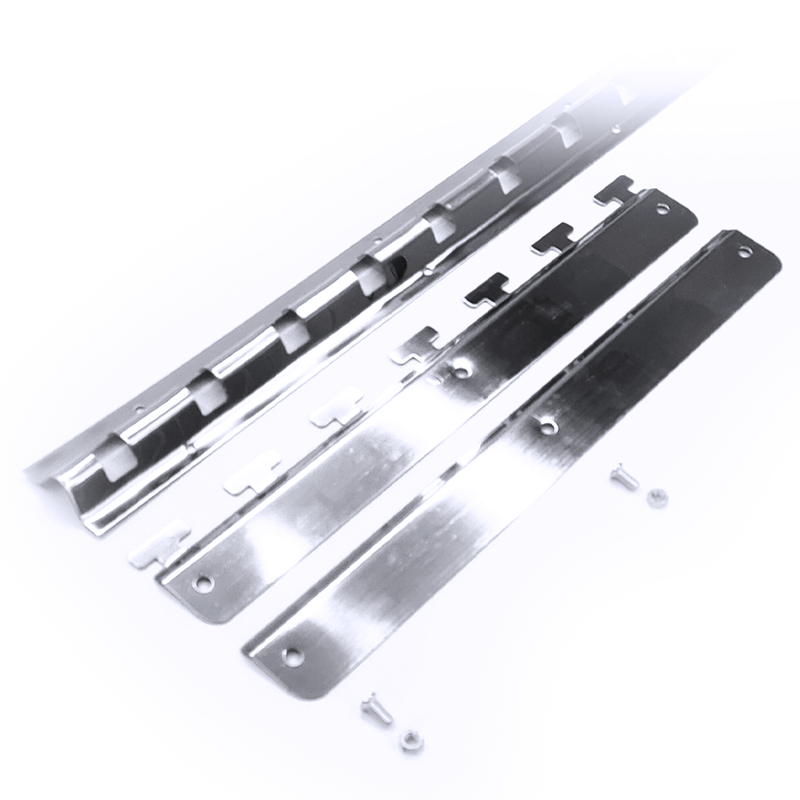
PVC Door Curtain as a Thermal Barrier at High-Traffic Openings
How PVC strip curtains minimize heat exchange and air infiltration
PVC strip curtains form a flexible, self-sealing barrier at high-traffic doorways. Unlike rigid doors that must be opened fully—and often remain ajar—overlapping PVC strips part only as needed for personnel or vehicle passage, then instantly reseal. This rapid closure minimizes the time conditioned air escapes and unconditioned air infiltrates. The layered arrangement traps pockets of still air between strips, creating an insulating buffer that impedes convective heat transfer. In winter, interior warmth stays in; in summer, cooled air remains inside. For facilities with constant forklift or foot traffic, this passive seal eliminates reliance on staff to manually close doors—removing a common source of human error and ensuring continuous thermal protection.
U-value improvement and real-world thermal performance data
While a single PVC strip offers minimal inherent insulation, the cumulative effect of overlapping layers—including trapped air gaps—significantly improves the effective U-value of an otherwise open doorway. Field studies across industrial facilities show that properly installed PVC curtains reduce heat loss at high-traffic openings by 30–40% compared to unprotected doorways. This translates directly into lower HVAC demand: in cold-storage docks, for example, the curtain helps sustain target temperature differentials without overburdening refrigeration systems. The result is a more stable interior climate, reduced peak loads, and measurable energy savings—particularly where door cycles exceed dozens per hour.
Energy Loss Reduction at Loading Bays and Dock Doorways
HVAC load reduction: Measured savings across industrial settings
Loading bays and dock doorways are among the largest contributors to thermal leakage in industrial buildings—accounting for up to 25% of total facility energy loss due to uncontrolled air exchange during trailer loading and unloading. A PVC strip curtain acts as a dynamic, low-friction seal that curbs this loss without impeding workflow. Real-world deployments across varied climates and usage intensities report HVAC energy savings of 15–30%, driven primarily by reduced compressor and furnace runtime. These gains scale with traffic frequency and ambient temperature extremes, making the solution especially impactful in refrigerated logistics and manufacturing environments.
Case evidence: 23% refrigeration load reduction in food processing
A controlled study at a food processing facility confirmed that installing PVC strip curtains at dock entry points reduced refrigeration system load by 23%. By limiting warm, humid outdoor air from entering cold storage zones, the curtain decreased compressor cycling frequency, extended equipment service life, and delivered annual energy cost savings of approximately $18,000. This outcome underscores how even a single well-specified and correctly installed PVC door curtain can yield double-digit reductions in thermal load—validating its role as a high-impact, low-cost intervention.
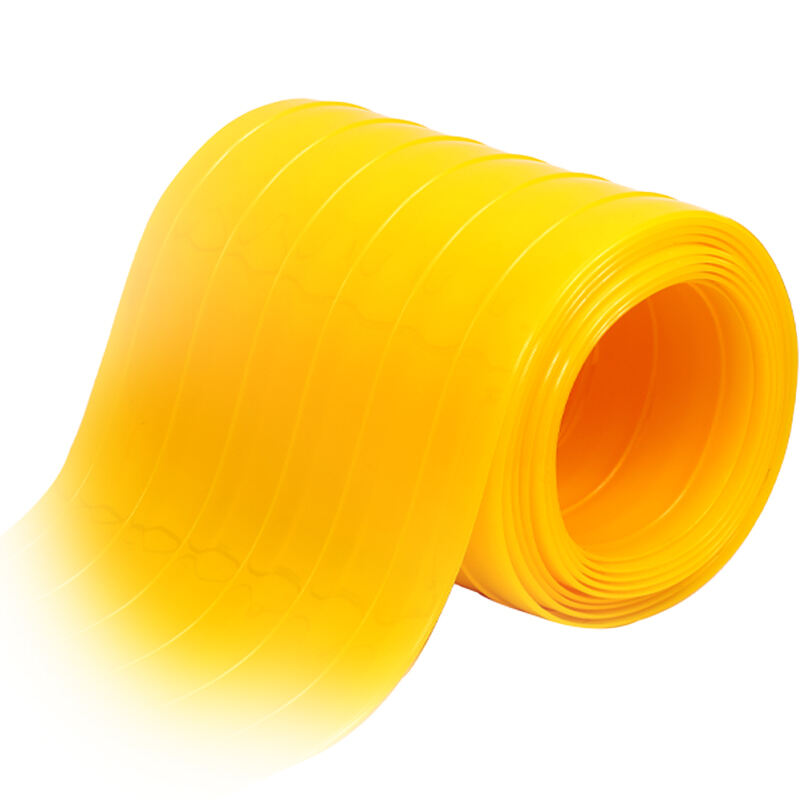
Enabling Zoned Temperature Control with PVC Door Curtain
PVC strip curtains enable precise, non-intrusive thermal zoning within a single facility. In operations requiring both refrigerated and ambient spaces—such as a −18 °C cold room adjacent to a 22 °C packaging area—the curtain physically separates zones while permitting uninterrupted movement of people, forklifts, and materials. Its instant resealing action minimizes cross-airflow, preventing warm, moisture-laden air from degrading cold zone integrity or forcing HVAC systems to recondition escaped air. As a result, each zone maintains its target temperature more efficiently, lowering overall HVAC energy consumption and supporting consistent, compliant conditions for temperature-sensitive products.
ROI and Operational Cost Savings from PVC Door Curtain Installation
PVC strip curtains deliver rapid, quantifiable ROI by targeting one of the most persistent sources of energy waste: uncontrolled airflow at high-traffic openings. Facilities routinely report HVAC-related heating and cooling cost reductions of up to 50%, with payback periods ranging from six to fourteen months across twelve independent factory deployments. The fastest returns occur in cold-storage and food-processing settings—where door cycles number in the hundreds daily and every air exchange directly increases refrigeration demand. In milder climates or lower-traffic applications, payback extends toward the upper end but remains consistently under 12 months. With no moving parts, zero electrical draw, and minimal maintenance over a multi-year service life, PVC curtains offer sustained operational savings long after breakeven.
FAQ
What are PVC strip curtains?
PVC strip curtains are flexible, durable strips made of polyvinyl chloride (PVC) that create a self-sealing barrier at doorways, commonly used in industrial and commercial facilities.
How do PVC strip curtains work as thermal barriers?
By forming overlapping layers that part only as needed and instantly reseal, PVC strip curtains minimize heat exchange and air infiltration, maintaining interior temperatures effectively.
What are the energy-saving benefits of using PVC strip curtains?
Facilities report reductions in HVAC-related heating and cooling costs of up to 50%, along with payback periods within six to fourteen months, depending on usage intensity.
Can PVC strip curtains improve temperature control in facilities?
Yes, PVC strip curtains enable efficient thermal zoning and help maintain targeted temperatures in different facility zones, such as refrigerated and ambient spaces.
What maintenance do PVC strip curtains require?
PVC strip curtains have no moving parts and require minimal maintenance, making them a cost-effective and durable solution for thermal and energy management.